

The rise of digital commerce has fundamentally reshaped the way people in the United Kingdom buy and sell goods. From bustling High Streets to the quiet click of a smartphone screen at midnight, the shift towards online shopping has been one of the most significant economic transformations of recent decades. Understanding the impact of e-commerce growth on traditional retail is not merely an academic exercise, it is a pressing concern for shop owners, consumers, and policymakers alike.
What to know
- The surge in e-commerce, accelerated significantly by the COVID-19 pandemic, has fundamentally transformed the UK retail landscape and changed consumer shopping habits.
- The transition toward digital shopping has led to a decline in physical store footfall and a high rate of store closures on traditional UK High Streets.
- Retailers are increasingly adopting omnichannel strategies to integrate their online and physical operations, providing a seamless experience across multiple touchpoints.
- Operational challenges, such as inventory management across multiple channels and higher fulfilment costs, have placed significant pressure on the profitability of traditional retailers.
- To remain competitive, many physical stores are shifting toward experiential retail concepts that emphasize human connection, sensory engagement, and expert service.
- Modern retailers are leveraging in-store technology, such as augmented reality and data-driven tools, to enhance the shopping experience rather than compete directly with digital platforms.
- The future of UK retail lies in the successful co-existence of digital and physical spaces, where retailers capitalize on the unique value that in-person interaction provides.
Shifts in High Street footfall and consumer shopping habits
The transition towards digital purchasing channels
Over recent years, the numbers tell a striking story. Online sales in the UK reached £99 billion in 2020, up from £60 billion in 2016, reflecting a dramatic acceleration in digital sales. The COVID-19 pandemic served as a further catalyst, with online sales rising by 36% in 2020 alone. It is estimated that 87% of UK shoppers made an online purchase in the preceding year, illustrating just how deeply internet shopping has embedded itself into everyday British life. Meanwhile, mobile commerce has surged, accounting for 52% of website visits in a single quarter in 2021, a figure that underscores the growing importance of seamless mobile experiences for any retailer hoping to remain relevant.
This transition has not been painless for the High Street. Reports suggest that as many as 40 to 50 stores were closing each week at the height of the shift, a sobering reflection of how swiftly consumer behaviour can evolve. Younger shoppers, particularly millennials and Generation Z, have shown a clear preference for digital channels, while older generations continue to value the tactile, personal nature of in-store shopping. The result is a fragmented retail landscape in which no single approach satisfies every segment of the market.
Adapting physical shops for modern High Street shoppers
Traditional retailers have not simply stood by as the tide turned. Many have invested heavily in services that bridge the gap between digital convenience and physical presence. The click and collect model, for instance, has proved especially popular, allowing customers to browse and purchase online before collecting their goods at a convenient local store. This approach not only preserves footfall but also offers retailers the opportunity to encourage additional in-store purchases. Department stores and larger chains have been particularly active in exploring how their physical spaces can be reimagined to serve a new generation of shoppers who expect both speed and personalisation.
Yet the challenges remain considerable. Customers today arrive in stores better informed than ever before, having consulted online reviews and compared prices across multiple platforms before setting foot through the door. This places a premium on well-trained, knowledgeable staff who can offer genuine added value beyond what any transactional website can provide. Negative reviews circulating online can deter potential visitors, whilst positive ones can draw new customers in, making reputation management an increasingly critical component of any brick-and-mortar strategy.
Operational challenges and opportunities for brick-and-mortar stores
Managing inventory across online and physical spaces
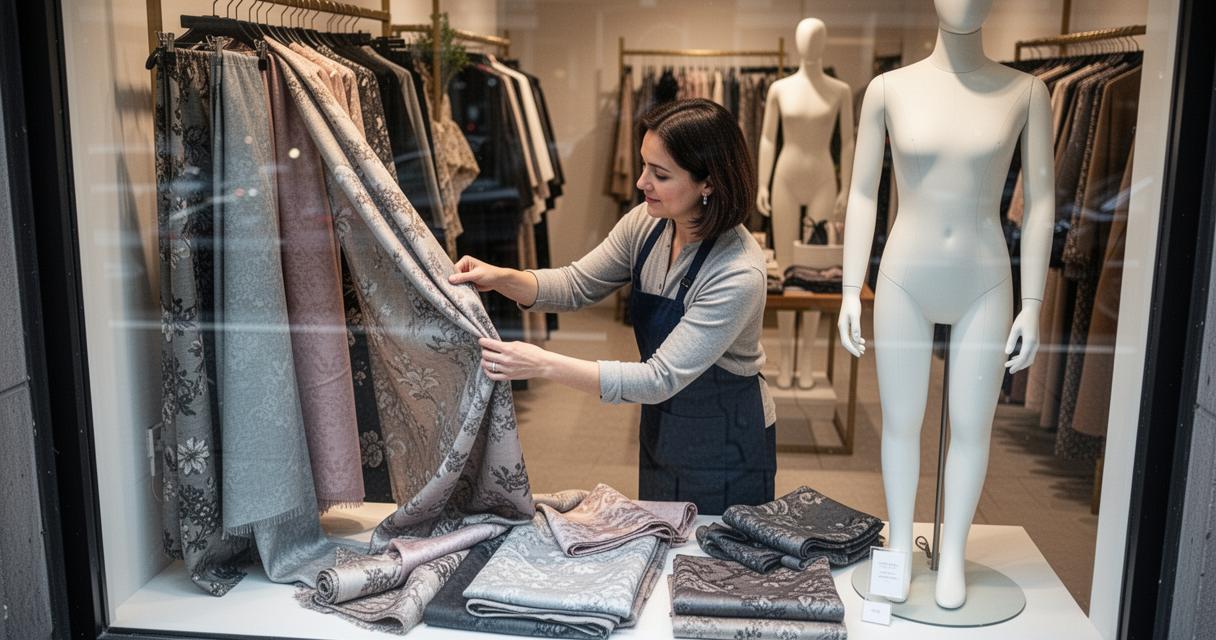
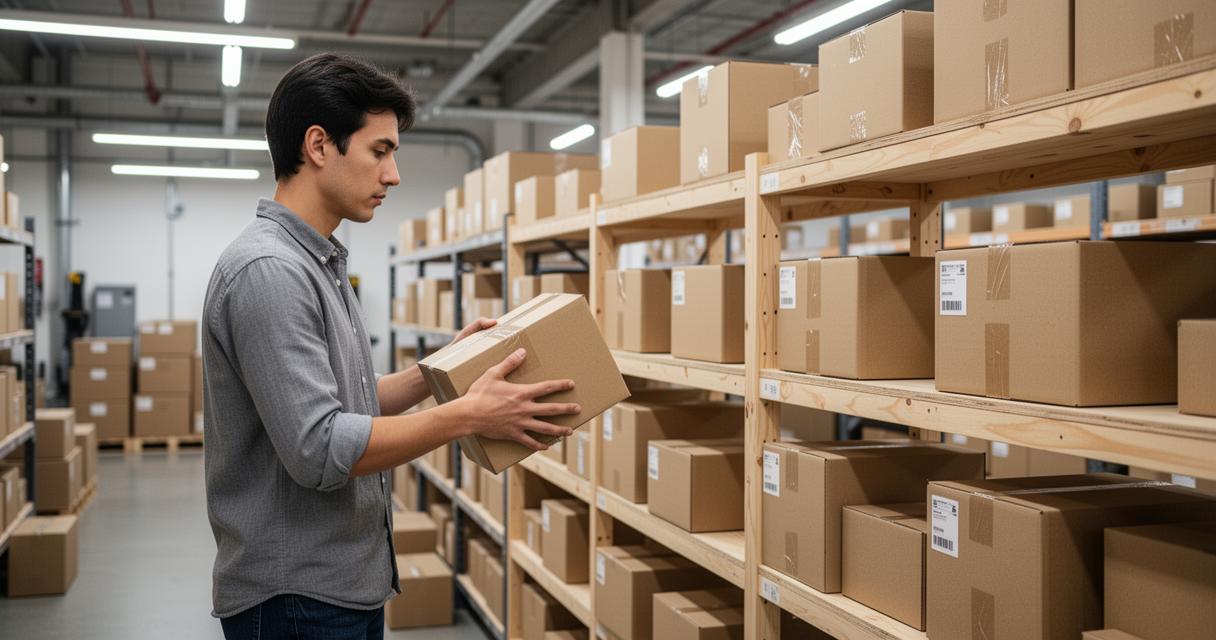
One of the most pressing operational difficulties facing traditional retailers is the management of stock across multiple channels. Many brick and mortar shops have found themselves downsizing their physical display space as they attempt to accommodate the logistical demands of online fulfilment alongside their in-store offerings. Higher fulfilment costs have contributed to margin erosion, making profitability an increasingly complex calculation. Unlike large e-commerce platforms that operate with vast warehousing infrastructure, independent and mid-sized retailers must work harder to compete on both price and availability, a balancing act that demands careful planning and robust systems.
Stock inconsistencies between online listings and physical shelves can quickly frustrate shoppers, and today’s consumers have little patience for such discrepancies. The expectation of immediacy, driven by years of next-day and same-day delivery promises from major online players, has set a high bar. Retailers who fail to meet these expectations risk losing customers permanently to digital alternatives.
Embracing omnichannel strategies to enhance customer experience
The most forward-thinking retailers have responded to these pressures by adopting comprehensive omnichannel retail strategies that treat every customer touchpoint (whether a physical shop, a website, a mobile app, or a social media platform) as part of a single, coherent experience. This approach reflects a broader shift in retail sector transformation, moving away from siloed operations towards integrated systems that share data, inventory, and customer insights in real time. Investment in e-commerce infrastructure has, in fact, surpassed spending on in-store systems for more than one consecutive year, according to analysis of the top UK retailers, a clear signal of where priorities now lie.
The user experience offered online has become a key battleground. Retailers with a transactional website have seen online sales grow as a proportion of total turnover, with the share rising year on year. Notably, a meaningful proportion of leading UK retailers still lack a fully transactional digital presence, representing both a vulnerability and an opportunity. Those who invest in intuitive, mobile-optimised platforms stand to capture a significant share of the growing digital audience, whilst those who lag behind risk further irrelevance.
The future co-existence of digital and physical retail space
Creating experiential retail concepts in local town centres
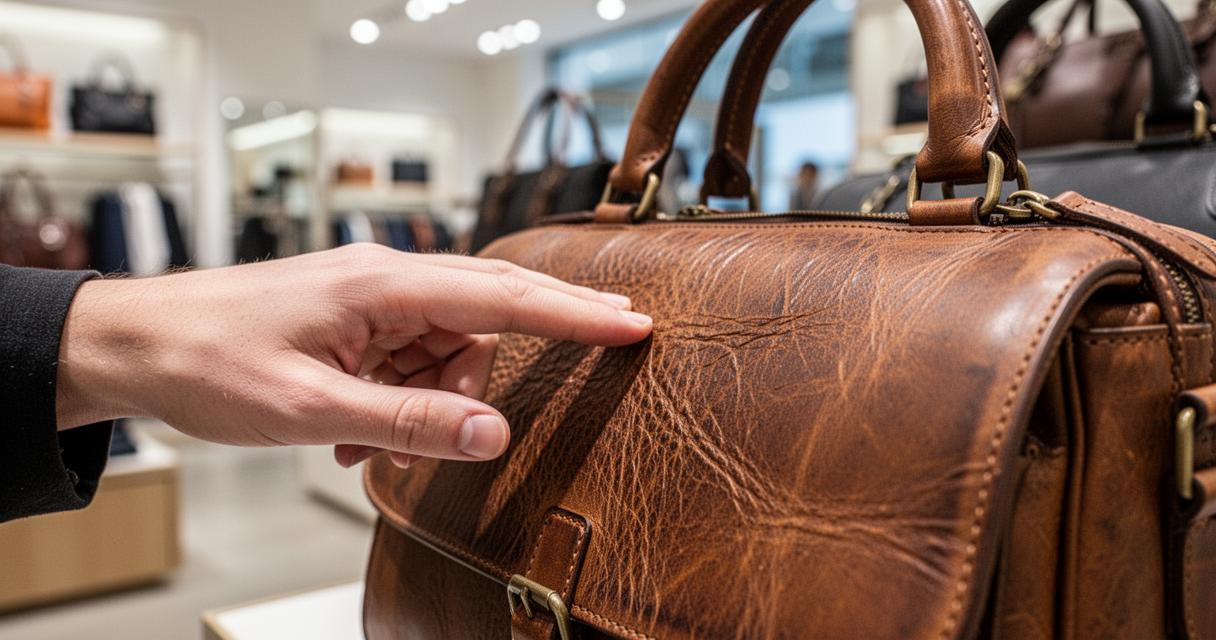
Rather than accepting the demise of the physical store as inevitable, a growing number of retailers are reimagining what a shop can be. The concept of experiential retail (where visiting a store becomes an event in itself, offering workshops, demonstrations, personalised consultations, or simply an atmosphere that cannot be replicated online) is gaining traction in town centres across the UK. This approach leans into what physical retail genuinely does best: human connection, sensory engagement, and the pleasure of discovery.
Certain product categories remain less vulnerable to e-commerce competition, whether because they benefit from expert in-person advice, require fitting and handling, or carry a strong emotional dimension. Retailers who identify and lean into these strengths are better placed to carve out a sustainable niche. The path forward is not about resisting digital transformation, but about understanding where physical presence adds irreplaceable value.
Leveraging technology to support traditional shop fronts
Retail technology is increasingly being deployed not to replace the in-store experience, but to enhance it. From smart fitting rooms and augmented reality displays to data-driven personalisation tools that help staff anticipate consumer preferences, the integration of technology within physical spaces is accelerating. The broader trajectory of retail innovation points towards a future in which the boundaries between online and offline continue to blur, with customer convenience remaining the central organising principle.
The competition from major online platforms has undeniably intensified, raising the stakes for every traditional retailer. Yet the story of UK retail is not simply one of decline, it is one of adaptation, creativity, and the enduring human desire for both market competition and meaningful shopping experiences. Those who embrace change, invest wisely in both digital and physical capabilities, and keep the customer firmly at the heart of every decision are best positioned to thrive in this evolving landscape.