
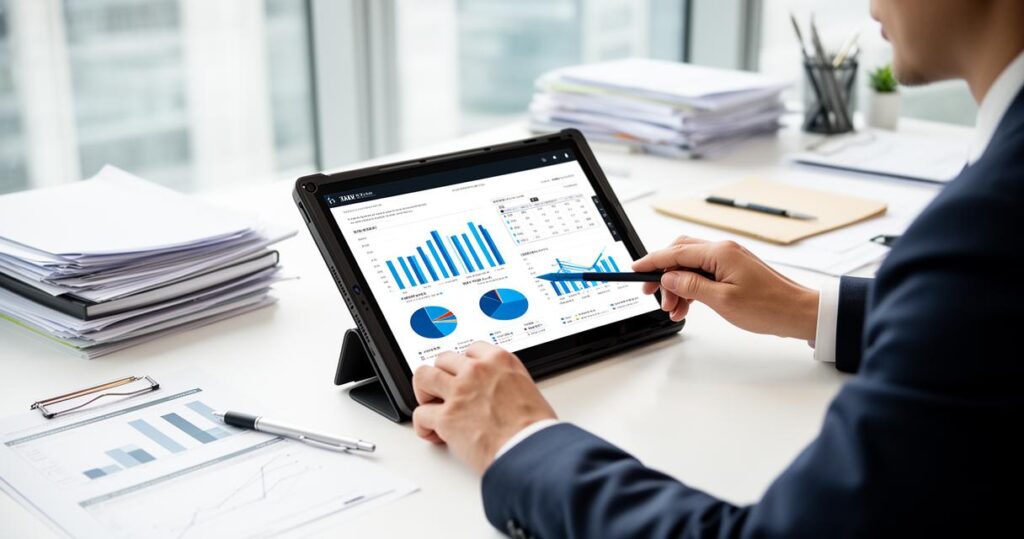
The landscape of business technology continues to evolve at a remarkable pace, with professional tablets becoming increasingly integral to modern working environments. These versatile devices bridge the gap between smartphones and traditional computers, offering unique capabilities that appeal to organisations seeking to enhance mobility, efficiency, and flexibility. Whether in healthcare, logistics, retail, or field services, businesses are discovering that tablets can transform workflows and empower their teams in ways that were previously unimaginable. Understanding the comprehensive advantages and disadvantages of professional tablets is essential for any organisation considering their implementation, as the right choice can significantly impact productivity, cost-effectiveness, and overall operational success.
- Professional tablets provide superior portability and flexibility, enabling employees to work efficiently across various locations and support modern hot-desking policies.
- Constant connectivity through wireless and remote access technologies allows field teams to capture data and communicate with central offices in real-time.
- Businesses can leverage extensive iOS and Android application ecosystems to tailor tablet functionality for specific industry needs like logistics or point-of-sale management.
- The intuitive touchscreen interface simplifies navigation and document interaction, which can lead to faster user adoption and reduced training time.
- Battery performance remains a critical limitation for mobile professionals who require consistent power during long periods of work away from charging sources.
- Durability issues may arise in harsh environments, as standard tablets often lack the rugged protection required for sectors like construction or manufacturing.
Key Advantages of Professional Tablets in the Modern Workplace
Portability and Flexibility for On-the-Go Professionals
One of the most compelling reasons businesses embrace professional tablets is their exceptional portability. Unlike traditional laptops or desktop computers, tablets offer a lightweight and compact design that allows professionals to work efficiently from virtually any location. This mobility proves particularly valuable for sales representatives who need to conduct presentations directly with clients, logistics personnel managing inventory in warehouses, or healthcare professionals accessing patient information at the bedside. The flexibility afforded by tablets enables organisations to implement hot-desking arrangements and flexible working policies, reducing the need for fixed workstations and creating more dynamic office environments. Companies such as Cybernet Manufacturing have recognised this trend, designing rugged tablets specifically built to withstand demanding conditions whilst maintaining the portability that modern businesses require.
The ability to access information and applications remotely has become a cornerstone of contemporary business operations. Tablets excel in providing remote email access, mobile networking capabilities, and wireless technology that keeps teams connected regardless of their physical location. Fieldwork computing has been revolutionised by these devices, enabling workers to capture data, complete time-keeping systems, and communicate with central offices without returning to a fixed location. This connectivity not only improves efficiency but also enhances customer service, as staff can respond to enquiries and resolve issues in real-time. The integration of wireless technology within tablets ensures that teams remain productive whether they are in the office, travelling between appointments, or working from home.
Extensive Application Ecosystems Across iOS and Android Platforms
Professional tablets benefit from rich application ecosystems available through both iOS and Android platforms, providing businesses with a vast array of software solutions tailored to specific industry needs. From logistics applications that streamline supply chain management to POS devices that transform tablets into complete point-of-sale systems, the versatility of available applications is remarkable. Tablets run modified office software that enables users to create documents, analyse spreadsheets, and deliver presentations with ease, ensuring that essential business functions remain accessible even when away from traditional computing environments. This adaptability allows organisations to customise their tablets according to precise operational requirements, selecting applications that enhance productivity and streamline workflows.
The touchscreen interface of professional tablets offers an intuitive method for navigation and interaction that can reduce training time and improve user adoption rates. Taking notes during meetings, annotating documents, or signing contracts digitally becomes straightforward with capacitive touchscreens that respond accurately to touch input. This ease of use extends to various business scenarios, from medical computing environments where healthcare professionals quickly access patient records to retail settings where staff members assist customers with product information. The combination of operating system compatibility and extensive peripheral integration options means that businesses can enhance tablet functionality with external keyboards, barcode scanners, payment terminals, and other devices that extend their capabilities. Companies focused on reliability, such as those designing computers for three decades with fail rates below half a percent, understand that application ecosystems must work seamlessly with hardware to deliver consistent performance.
Notable Limitations and Drawbacks of Professional Tablets
Battery Performance and Durability Concerns in Demanding Environments
Despite their numerous advantages, professional tablets face certain limitations that organisations must carefully consider before widespread adoption. Battery life remains a significant concern, particularly for professionals who require extended periods of mobile use without access to charging facilities. Whilst tablets generally consume less power than laptops, the demands of running multiple applications, maintaining wireless connections, and operating high-resolution displays can drain batteries more quickly than anticipated. In fieldwork computing scenarios or during lengthy business trips, this limitation can impact productivity and necessitate careful planning around power availability. Additionally, durability concerns arise when comparing standard tablets to ruggedised alternatives specifically designed for harsh environments.
Not all professional tablets meet military standards for durability, which can pose challenges in industries such as construction, manufacturing, or outdoor logistics where devices face exposure to dust, moisture, temperature extremes, and physical impacts. Standard tablets may lack the protective casings and reinforced components found in rugged tablets, making them vulnerable to damage that can result in costly repairs or replacements. Organisations operating in demanding environments must weigh the initial cost savings of consumer-grade tablets against the potential long-term expenses associated with device failures and downtime. Security features also warrant consideration, as the portable nature of tablets increases the risk of theft or loss, potentially exposing sensitive business information. Implementing robust device security measures, including encryption, remote wipe capabilities, and strict access controls, becomes essential to mitigate these risks.
Functional Constraints Compared to Traditional Laptops and Desktop Computers
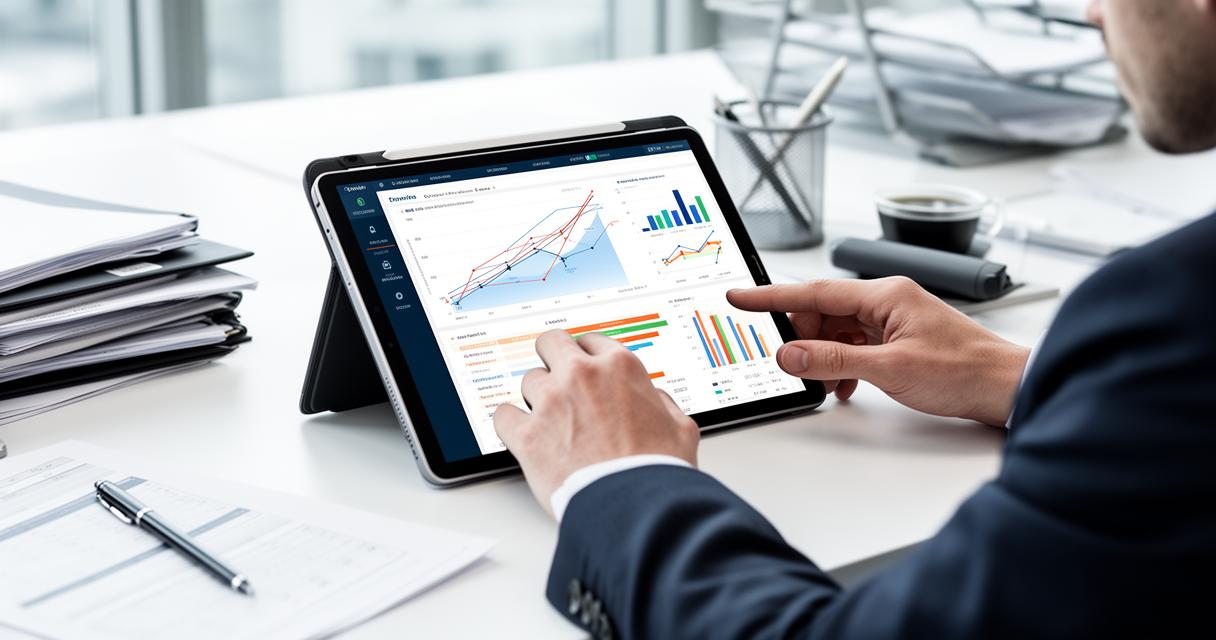
Whilst tablets offer impressive functionality, they cannot entirely replicate the desktop functionality provided by traditional laptops and computers. Professional tasks requiring intensive processing power, complex software applications, or extensive multitasking may prove challenging on tablets, which typically feature less powerful processors and limited memory compared to their laptop counterparts. For instance, graphic design work, video editing, or advanced data analysis often demands the computational capabilities that only full-fledged laptops or desktop computers can provide. Furthermore, the smaller keyboards commonly associated with tablets can hinder typing speed and accuracy, potentially reducing efficiency for tasks involving substantial text input.
Another consideration involves the potential issues with public Wi-Fi security when employees connect their tablets to unsecured networks during business travel or at client locations. Unlike office environments with controlled IT infrastructure, public networks present vulnerabilities that could expose company data to interception or unauthorised access. Training staff on proper security practices and implementing virtual private networks can help address these concerns, but they require ongoing investment in staff training and mobile technology guidance. Additionally, tablets may face limitations in terms of connectivity options and peripheral integration compared to laptops, which typically offer a greater variety of ports and expansion possibilities. Businesses must assess whether the connectivity options available on professional tablets align with their specific work requirements, particularly if employees need to connect multiple external devices simultaneously.
Selecting the Right Professional Tablet for Your Business Needs
Comparing Popular Models: iPad, Galaxy Tab, and Alternative Options
The market offers numerous professional tablet options, each with distinct characteristics that suit different business applications. Apple's iPad range has long been favoured for its intuitive interface, robust app ecosystem, and strong security features, making it a popular choice for industries ranging from retail to healthcare. The consistency of iOS updates and the availability of enterprise management tools enable organisations to maintain control over device configurations and security policies. Samsung's Galaxy Tab series provides compelling alternatives running on Android, offering flexibility in terms of customisation options and often featuring compatibility with a broader range of third-party accessories. These devices typically come in various screen sizes and resolutions, allowing businesses to select models that balance portability with display quality according to their specific needs.
Beyond these mainstream options, organisations operating in particularly challenging environments may benefit from specialised rugged tablets designed to withstand extreme conditions. These industrial PCs and tablets feature reinforced casings, enhanced sealing against dust and moisture, and components rated for extended temperature ranges. Companies like Cybernet Manufacturing have built reputations on providing such solutions, with decades of experience in designing reliable computing equipment. When comparing models, businesses should consider factors including screen size, which affects both portability and usability for different tasks, and the quality of capacitive touchscreens, which can significantly impact user experience. Price points vary considerably across the spectrum from consumer tablets to fully ruggedised business tablets, requiring careful assessment of budget constraints against performance requirements and expected device lifespan.
Matching device specifications to your specific work requirements
Selecting the appropriate professional tablet demands a systematic evaluation of intended use cases and user needs within the context of existing IT infrastructure. Organisations should begin by identifying the primary applications their tablets will support, whether logistics applications, medical computing tasks, POS devices, or general office work. This assessment helps determine necessary specifications such as processing power, memory capacity, storage requirements, and display quality. For instance, businesses requiring mobile workflows in warehouses might prioritise rugged construction and barcode scanning capabilities, whilst those focused on customer presentations might emphasise screen quality and wireless connectivity options.
Operating system compatibility represents another crucial consideration, as this choice influences available applications, security features, and integration with existing business systems. Companies with established IT infrastructure built around Microsoft environments may find Windows-based tablets offer seamless compatibility, whilst those prioritising application variety might prefer iOS or Android platforms. Evaluating connectivity options, including Wi-Fi standards, cellular capabilities, Bluetooth support, and physical ports, ensures that selected tablets can connect to necessary networks and peripherals. Security features should never be overlooked, particularly for organisations handling sensitive customer information or proprietary business data. Implementing comprehensive theft protection measures, encrypted storage, and remote management capabilities helps safeguard company assets and information.
The importance of customer support and reliability cannot be overstated when investing in professional tablets for business use. Manufacturers with proven track records, such as those achieving fail rates below half a percent through rigorous design and testing processes, offer greater confidence in long-term reliability. Assessing warranty provisions, technical support availability, and repair services helps ensure that tablet deployments remain productive even when issues arise. Finally, organisations should consider the training requirements associated with their chosen devices, as maximising the benefits of mobile technology depends on staff members understanding and effectively utilising available features. Partnering with suppliers that offer comprehensive business support resources and mobile technology guidance can facilitate smooth implementations and ongoing optimisation of tablet deployments. By carefully matching device specifications to specific work requirements and considering the total cost of ownership, businesses can make informed decisions that enhance productivity, support mobile workflows, and deliver tangible returns on their technology investments.