
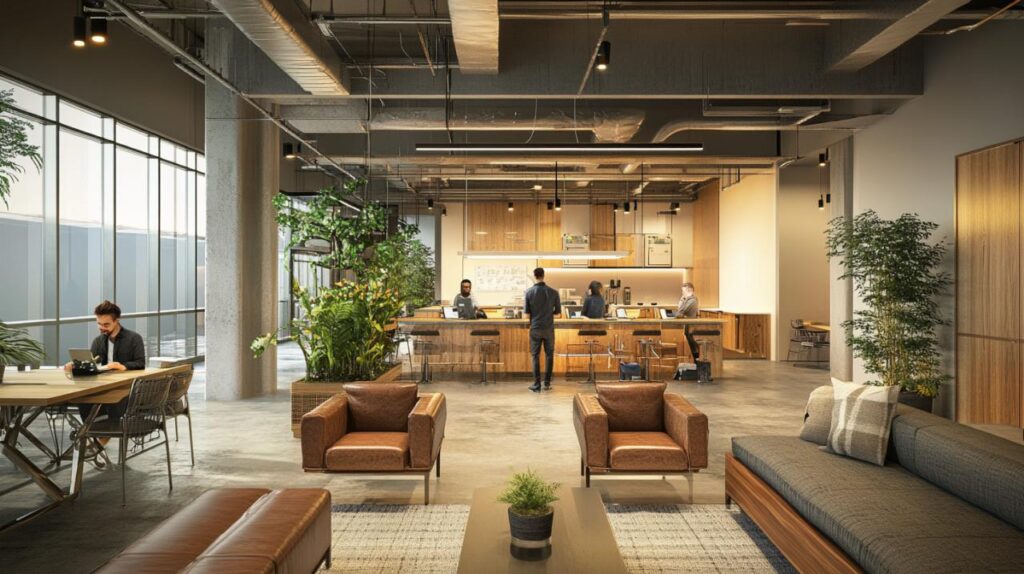
In today's fast-paced professional world, businesses are increasingly recognising the profound impact that employee wellbeing has on overall productivity and morale. As organisations strive to create environments that foster both efficiency and mental health, the concept of a dedicated space for relaxation and unwinding has emerged as a critical feature. Even within the constraints of limited square footage, the strategic incorporation of a decompression zone can transform a compact workplace into a sanctuary that balances the demands of modern work with the essential need for rest and rejuvenation.
Understanding the decompressionzone: why small workplaces need dedicated wellbeing spaces
The modern workplace is no longer solely defined by desks, computers, and meeting rooms. It has evolved into a dynamic environment where the mental and emotional health of staff members is recognised as a cornerstone of sustainable success. In smaller offices, where every inch of space is precious, the challenge lies in carving out an area that serves as a refuge from the pressures of daily tasks. A decompression zone in a business setting is paramount for employee wellbeing, offering a private retreat where individuals can pause, reflect, and recharge. This dedicated space, often designed with comfortable furnishings such as armchairs, sofas, and tables, provides an essential counterbalance to the intensity of professional responsibilities. By creating such a zone, businesses signal a commitment to the holistic health of their workforce, acknowledging that moments of rest are not indulgences but vital components of a thriving organisational culture.
The Impact of Employee Wellbeing on Productivity and Morale
Research and anecdotal evidence alike confirm that when staff members feel supported and valued, their engagement and output naturally increase. A workplace that prioritises wellbeing fosters an atmosphere of trust and mutual respect, which in turn cultivates loyalty and reduces turnover. In small workplaces, where teams are often closely knit and the absence of even one individual can disrupt workflows, maintaining high morale is particularly critical. A decompression zone serves as a tangible manifestation of this commitment, offering a space where employees can step away from their immediate tasks and return with renewed focus and clarity. The act of taking a brief respite in a comfortable, thoughtfully designed environment can alleviate stress, prevent burnout, and enhance cognitive function, all of which contribute to a more productive and harmonious workplace.
How a Decompression Zone Addresses Mental Health in Compact Work Environments
In compact work environments, the risk of feeling overwhelmed or claustrophobic is heightened, especially when the physical boundaries between work and rest are blurred. A decompression zone directly addresses this challenge by providing a clearly defined area dedicated to relaxation and mental recuperation. This space acts as a buffer, allowing individuals to disconnect momentarily from the relentless pace of their responsibilities. By offering a private area where staff can unwind, the decompression zone reduces stress and promotes relaxation, contributing to improved mental health outcomes. It supports the mental health of collaborators and fosters team cohesion by creating opportunities for informal interactions and mutual support. When colleagues can gather in a comfortable setting, free from the formalities of the traditional workspace, they are more likely to share ideas, build relationships, and develop a sense of camaraderie that strengthens the entire team.
Designing an effective decompressionzone within limited square footage
Creating a decompression zone in a small workplace requires strategic planning regarding size, layout, and the environment to enhance productivity. The challenge is to maximise the impact of the space without compromising the functionality of the broader office. Every element, from the choice of furniture to the arrangement of seating and the integration of amenities, must be carefully considered to ensure that the zone serves its intended purpose while fitting seamlessly into the existing footprint.
Strategic Layout and Furniture Selection for Maximum Comfort and Efficiency
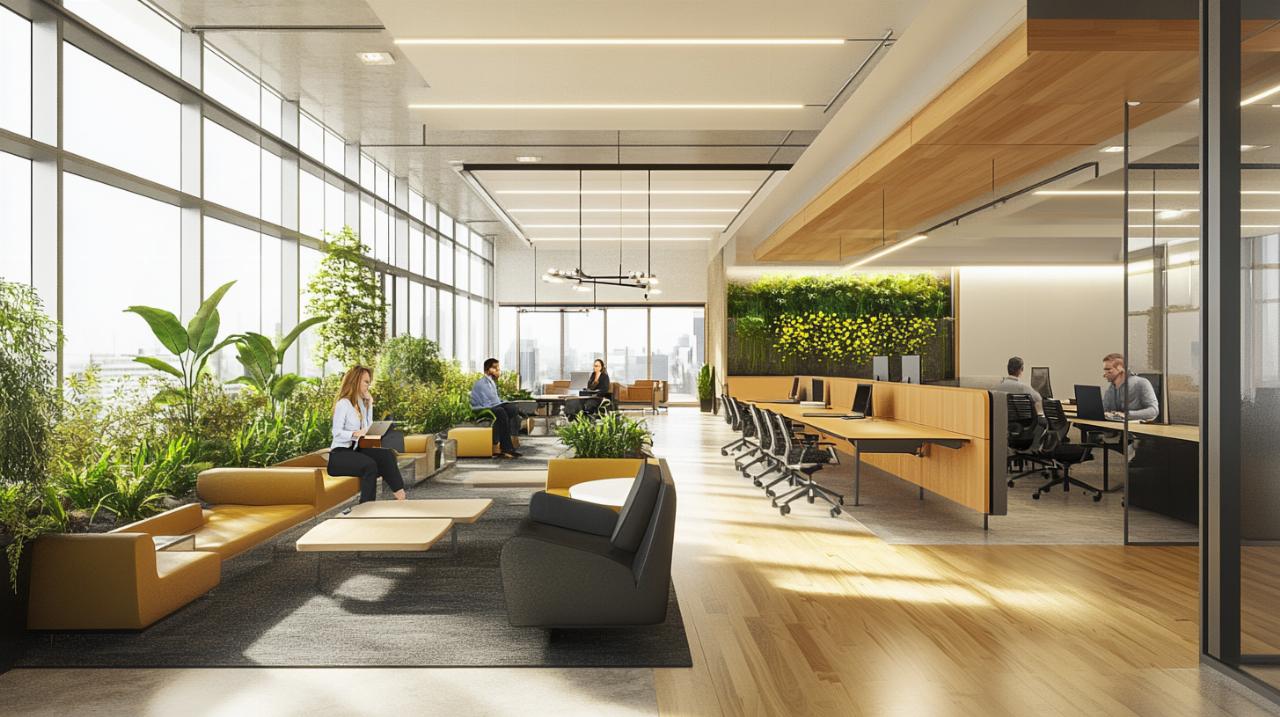
The layout of a decompression zone should encourage relaxation while also being adaptable to the varied needs of different individuals. In a limited square footage scenario, multifunctional furniture becomes an invaluable asset. Sofas that can double as seating for informal meetings, tables that serve both as workstations and casual dining areas, and armchairs that provide comfortable, supportive seating all contribute to a versatile environment. The arrangement of these elements should promote flow and accessibility, ensuring that the space does not feel cramped or cluttered. Natural light, if available, should be maximised to create an inviting atmosphere, while the use of calming colours and soft textures can further enhance the sense of tranquillity. The goal is to design a space that feels distinct from the main work area, offering a psychological and physical break from the demands of professional tasks.
Integrating modern amenities: coffee machines and technology-enhanced relaxation
Incorporating new technologies and amenities can significantly elevate the experience of a decompression zone. A coffee machine, for instance, serves not only as a practical convenience but also as a focal point for social interaction and a symbol of hospitality. The ritual of preparing and enjoying a hot beverage can be a meditative act in itself, providing a brief but meaningful pause in the workday. Beyond this, modern amenities such as charging stations for personal devices, wireless speakers for ambient music, and even screens for calming visuals can enhance the environment. However, the integration of technology must be balanced carefully to avoid transforming the decompression zone into an extension of the main workspace. The emphasis should remain on relaxation and disconnection, with technology serving to support, rather than dominate, the experience. By thoughtfully incorporating these elements, businesses can create a space that is both contemporary and conducive to genuine rest.
The long-term benefits: fostering team cohesion and sustainable workplace culture
The creation of a decompression zone is not merely a short-term investment in employee satisfaction; it is a strategic move that yields long-term benefits for the entire organisation. By demonstrating a commitment to the wellbeing of staff, businesses lay the foundation for a sustainable workplace culture that prioritises mental health, collaboration, and mutual support. In small workplaces, where the actions of each individual have a pronounced impact on the collective, fostering such a culture is essential for enduring success.
Balancing Work and Relaxation to Prevent Burnout in Fast-Paced Professional Settings
A balance of work and relaxation is crucial in today's fast-paced professional world. Without opportunities to decompress, employees are at risk of chronic stress and burnout, conditions that not only affect individual performance but also undermine the health of the organisation as a whole. A decompression zone provides a structured yet flexible means of integrating rest into the workday, normalising the practice of taking breaks and encouraging staff to prioritise their mental health. Over time, this balance becomes ingrained in the workplace culture, leading to a more resilient and adaptable workforce. Employees who feel empowered to manage their own wellbeing are more likely to approach their work with creativity, enthusiasm, and a sense of purpose, all of which are critical to navigating the challenges of a dynamic professional landscape.
Building a Supportive Environment That Encourages Collaboration and Mental Wellbeing
The decompression lock concept, as it is sometimes termed, underscores the importance of creating a supportive environment that goes beyond physical amenities. It is about cultivating a mindset where the wellbeing of each team member is seen as integral to the success of the whole. In a small workplace, this supportive environment can manifest in various ways, from informal check-ins and open communication to the provision of spaces like the decompression zone where individuals can retreat and recharge. When staff members feel that their mental health is valued, they are more likely to engage in collaborative efforts, share ideas freely, and contribute to a positive organisational culture. The decompression zone thus serves as both a physical space and a symbolic gesture, reinforcing the message that rest and collaboration are not mutually exclusive but are instead complementary elements of a thriving workplace.
Ultimately, the integration of a decompression zone within limited square footage is a testament to the creativity and foresight of modern businesses. It demonstrates that even the smallest spaces can be transformed into havens of wellbeing and productivity when approached with strategic planning and a genuine commitment to the people who bring the organisation to life. By prioritising mental health, fostering team cohesion, and balancing the demands of work with the essential need for relaxation, businesses can create environments that not only meet the challenges of today but are also equipped to thrive in the future.