
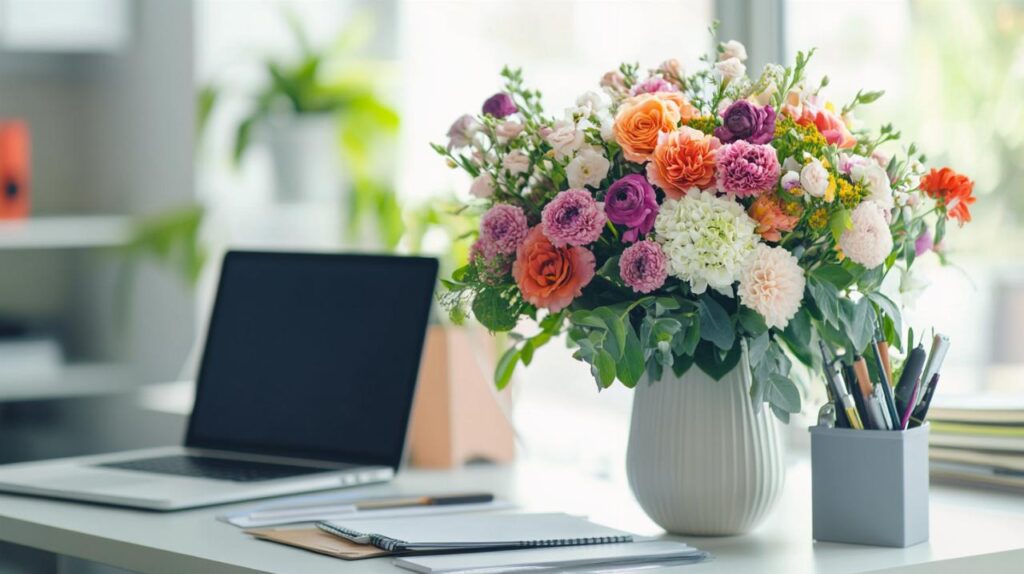
Transforming a room with fresh blooms need not be a daunting task reserved for professional florists. With a touch of imagination and a willingness to explore beyond traditional vases, anyone can create stunning displays that breathe life into a space. Whether you favour simplicity or abundance, the art of arranging flowers offers endless possibilities to express your personal style and celebrate the seasons.
Unconventional vessels: rethinking your container choices
One of the most liberating aspects of floral design lies in the choice of container. Rather than reaching for a standard glass vase, consider the charm of everyday objects that might otherwise sit unused in a cupboard. Teapots, watering cans, and even wellington boots can inject a delightful sense of whimsy and individuality into your arrangements. These unconventional vessels not only add character but also invite conversation, turning a simple bouquet into a talking point that reflects your creativity and resourcefulness.
Vintage Finds and Household Treasures as Vases
Scouring antique shops or rummaging through your own attic can yield treasures that bring both history and personality to your displays. Thirties unglazed pottery vases, once crafted by celebrated designers such as Constance Spry for Fulham Pottery, offer a tactile, understated elegance that pairs beautifully with seasonal blooms. Silver-plated julep cups lend a touch of refinement to a side table or mantelpiece, while nineteenth-century blue and white porcelain bowls provide a striking backdrop for abundant arrangements. Ceramic jugs, glass bottles, and even metal pots can serve as charming homes for flowers, each contributing its own narrative and aesthetic. The key is to match the vessel to the mood you wish to create, allowing the container to enhance rather than overshadow the natural beauty of the blooms.
Garden-Inspired Containers for a Whimsical Touch
Drawing inspiration from the garden itself, consider using items that echo the outdoors. Galvanised buckets, vintage watering cans, or rustic wooden crates can evoke the relaxed, informal spirit of a country garden. These containers work particularly well for casual gatherings, such as a summer barbecue, where a more polished arrangement might feel out of place. Pairing these vessels with a mix of cultivated flowers and foraged greenery creates a harmonious blend that feels both effortless and intentional. The result is a display that celebrates the natural world while showcasing your willingness to think outside the box.
Mastering texture, colour, and composition
The magic of a truly captivating arrangement often lies in the interplay of textures, hues, and forms. Rather than relying solely on a single type of flower, consider how different blooms and foliage can work together to create visual interest and depth. This approach not only elevates the overall composition but also allows you to experiment with contrasts and harmonies that reflect the changing seasons. When you incorporate a variety of textures and colours, the result is a dynamic display that draws the eye and invites closer inspection.
Layering Textures and Hues for Visual Impact
Achieving a balanced yet striking arrangement requires a thoughtful selection of flowers that differ in both form and colour. Fine-stemmed blooms such as roses, tulips, or ranunculus can be paired with fuller flowers like hydrangeas to create a pleasing contrast. Consider how the delicate petals of narcissi or poppies might complement the robust presence of delphiniums, or how the soft tones of white blooms against clear glass vessels can lend an air of elegance to a dinner party. For those seeking flower arrangements inspiration, the combination of Italian plum tree branches with smoke bush can bring a touch of summer beauty indoors, while the gentle hues of dried hydrangea pompoms offer a lasting decorative element for festive occasions. By layering different textures and colours, you create a composition that feels both thoughtfully curated and refreshingly spontaneous.
Incorporating foliage, berries, and natural elements
Flowers need not stand alone to make an impact. The addition of foliage, berries, and other natural elements can transform a simple bouquet into a rich tapestry of shapes and shades. Ivy berries, ferns, and even cheese plant leaves can provide a lush, verdant backdrop that enhances the vibrancy of blooms such as paperwhites or hyacinths. Orange kumquats nestled among greenery and flowers create a fragrant, visually arresting display that appeals to multiple senses. For a more sculptural approach, consider incorporating branches from your garden or local park, ensuring that you do so responsibly and with permission where necessary. These elements not only add depth and dimension but also ground the arrangement in the natural landscape, bridging the gap between the cultivated and the wild.
Foraging and Natural Materials for Unique Displays
Venturing beyond the florist's shop to gather materials from your immediate surroundings can yield unexpected and delightful results. Foraging for branches, leaves, and other natural treasures allows you to create arrangements that are both unique and deeply connected to the landscape around you. This practice encourages a mindful engagement with nature and offers an economical way to source materials that might otherwise be overlooked.
Responsibly Sourcing Branches and Leaves from Your Surroundings
When foraging, it is essential to do so with care and respect for the environment. Always seek permission if you are gathering from private land, and avoid taking from protected areas or rare species. Look for fallen branches, interesting twigs, or abundant foliage that can be harvested without causing harm. Smoke bush branches, for instance, can bring a dramatic flourish to an arrangement, while the delicate structure of bare twigs can add a sculptural quality that complements both minimalist and more abundant displays. By sourcing materials responsibly, you not only create unique arrangements but also foster a deeper appreciation for the natural world and its cycles.
Blending wild finds with cultivated blooms
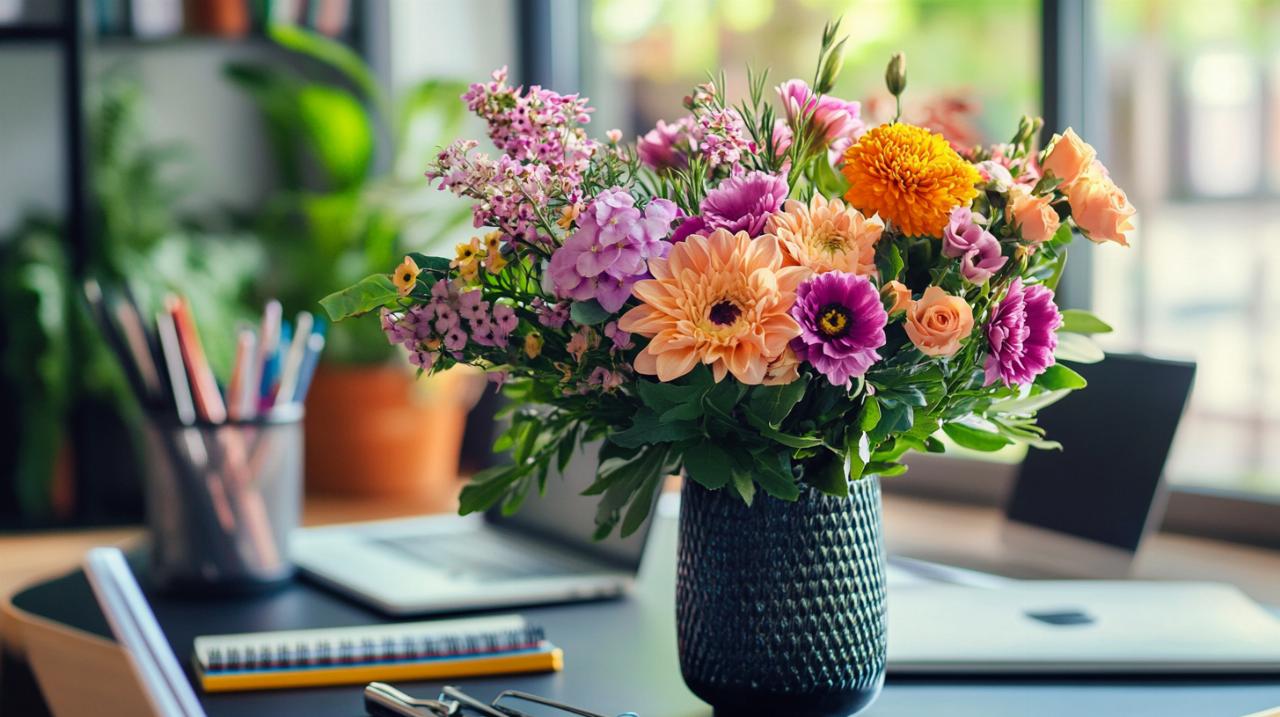
The true artistry of foraging lies in the ability to blend wild finds with cultivated flowers in a way that feels cohesive and intentional. A handful of freshly cut garden blooms can be transformed when paired with foraged branches or leaves, creating a composition that tells a story of both the cultivated garden and the untamed landscape. Consider how cheese plant leaves might look striking in a vase against dark colours, or how grape-hyacinth bulbs can be combined with foraged greenery for a charming bedside display. This approach not only adds visual interest but also allows you to experiment with unexpected combinations that reflect your personal connection to the natural environment.
Arrangement styles: from minimalist to abundant
Floral design offers a spectrum of styles, from the pared-back elegance of minimalism to the exuberant richness of abundant arrangements. Understanding these different approaches allows you to tailor your displays to suit both your personal taste and the occasion at hand. Whether you favour the simplicity of a single stem or the complexity of a hand-tied bunch, each style has its own unique appeal and set of considerations.
The elegance of single-stem displays
There is a quiet power in restraint, and a single statement stem can command attention in a way that a crowded vase never could. This minimalist approach celebrates the inherent beauty of a single flower, allowing its form, colour, and texture to take centre stage. Orchids, for example, can cleanse the palate against rich chinoiserie patterns, their sculptural blooms providing a striking contrast to ornate surroundings. By placing a single stem in a carefully chosen vessel, you create a focal point that is both sophisticated and serene, proving that sometimes less truly is more.
Experimenting with Flower Combinations and Styles
For those who prefer a more abundant approach, the art of combining multiple flowers and foliage offers endless opportunities for creativity. Hand-tied bunches, which feature flowers that are fine in stem yet full in flower, can be arranged in various vessels ranging from ceramic jugs to glass bottles. Chicken wire can serve as an invaluable tool for larger arrangements, helping to support the stems and maintain the desired shape. Consider splitting taller varieties such as delphiniums among complementary vessels to create a cohesive yet dynamic display. Embrace asymmetry by varying the heights and positions of your blooms, and play with scale by combining small, delicate flowers with larger, more dramatic ones. By not overcrowding the vase and allowing for negative space, you give each element room to breathe, resulting in a composition that feels balanced yet full of life. The beauty of this approach lies in the freedom to experiment with different combinations until you discover what resonates with you, making each arrangement a personal expression of your style and mood.
Practical tips for long-lasting floral displays
Creating a beautiful arrangement is only the first step; ensuring that it remains fresh and vibrant for as long as possible requires a few practical considerations. By paying attention to hydration, stem preparation, and the overall care of your flowers, you can extend the lifespan of your display and enjoy its beauty for days or even weeks.
Using floral foam and proper hydration techniques
Floral foam can be a florist's best friend, providing a stable base that helps to keep flowers in place while ensuring they remain well hydrated. When using foam, soak it thoroughly before inserting your stems, and ensure that it remains moist throughout the life of the arrangement. For those who prefer to work without foam, placing your blooms in fresh water and changing it regularly is essential. Before arranging, strip the leaves from the lower portions of each stem to prevent decay below the waterline, and cut the stems at a forty-five-degree angle to maximise water absorption. These simple steps can make a significant difference in the longevity of your display, allowing you to savour the beauty of your flowers for as long as possible.
Tailoring Your Arrangement to the Occasion
Finally, consider the context in which your arrangement will be displayed. A rustic bouquet brimming with foraged branches and wildflowers might be perfect for a casual summer gathering, while a sophisticated, minimalist arrangement suits a formal dinner party. The occasion can also dictate the scale and style of your display, from intimate bedside posies to grand table centrepieces. By thoughtfully considering the setting and purpose of your arrangement, you ensure that your floral display not only looks beautiful but also enhances the overall atmosphere of the space. Above all, remember to have a go and have some fun with it, allowing your creativity and personal taste to guide you as you explore the endless possibilities that flower arranging has to offer.