
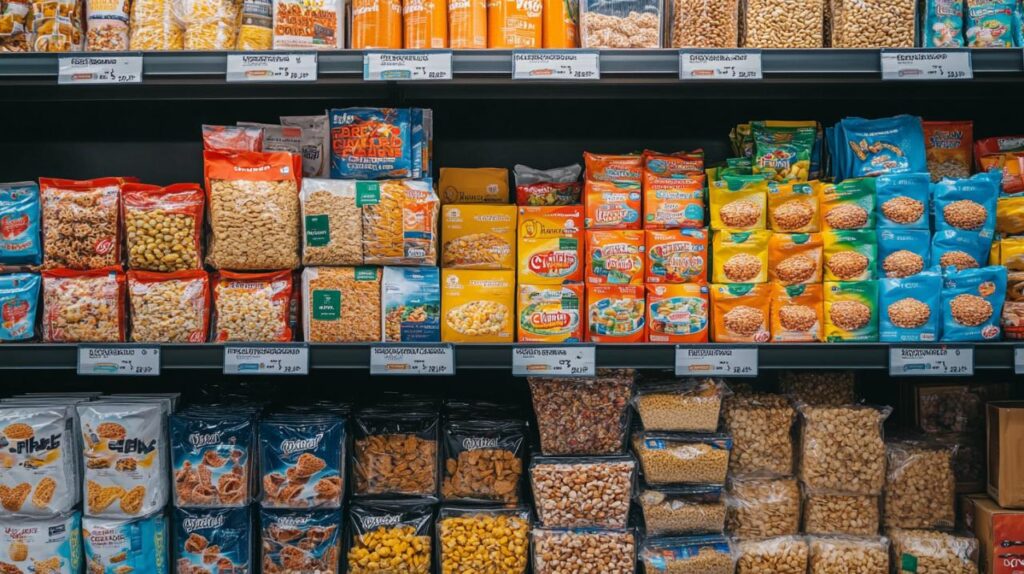
Breakfast cereals have long held a cherished spot on British tables, offering a swift and satisfying start to the day. As consumer preferences evolve and supermarkets respond with increasingly sophisticated own-label ranges, the cereal aisle has transformed into a dynamic landscape of innovation and value. With rising living costs prompting savvy shoppers to seek alternatives to premium brands, understanding the shifts within store-brand cereals can unlock both nutritional benefits and considerable savings. From protein-enriched granolas to gluten-free porridge options, the current offerings reflect a marketplace attuned to health, convenience, and affordability.
Current innovations in supermarket own-label breakfast cereals
Supermarket own-label cereals have undergone a remarkable transformation, moving beyond simple imitations of branded counterparts to become genuine innovators in their own right. This shift is driven by a growing consumer appetite for products that combine quality, nutrition, and competitive pricing. Western Europe, which accounts for roughly a third of new cereal product launches globally, is at the forefront of this change, with the region expected to emerge as the largest cereal market by 2027. The United Kingdom and Ireland lead the continent in per capita breakfast cereal consumption, underscoring the importance of this category to British households. Retailers have responded by investing heavily in product development, ensuring their store-brand cereals meet the evolving demands of modern shoppers who seek both convenience and health benefits.
Premium quality at budget-friendly prices
One of the most striking trends in store-brand cereals is the ability of supermarkets to deliver premium quality without the premium price tag. Own-label ranges now routinely feature complex flavour profiles, innovative textures, and nutritional fortification that rival or even surpass established brands. Milk chocolate emerges as the top flavour choice among British consumers, followed closely by nuts, hazelnuts, blueberries, and various fruit combinations. This diversity demonstrates that retailers are not simply replicating existing products but are actively listening to consumer preferences and tailoring their offerings accordingly. The emphasis on quality ingredients, coupled with competitive pricing, means that shoppers can enjoy cereals enriched with folic acid, iron, calcium, vitamin D, and other essential nutrients without straining their budgets. Furthermore, the convenience factor remains paramount, with 42% of UK consumers selecting cereals specifically for their ease of preparation, making them ideal for busy mornings and on-the-go lifestyles.
Health-conscious options expanding across the shelf
Health considerations have become central to cereal purchasing decisions, and supermarket own-label ranges have risen to the challenge by expanding their portfolios of health-conscious options. A quarter of consumers are influenced by protein claims when selecting cereals, while nearly a third prioritise fibre content, recognising the benefits for gut health and weight management. Protein-enriched cereals support muscle maintenance and satiety, appealing to fitness enthusiasts and those seeking sustained energy throughout the morning. Fibre-rich options, meanwhile, promote digestive wellness and help manage appetite, making them popular among consumers focused on long-term health. Beyond these headline nutrients, shoppers increasingly seek cereals fortified with vitamins and minerals, with particular interest in products that support specific life stages, such as pregnancy. Cereals fortified with folic acid, iron, and DHA offer valuable nutritional support during critical periods, demonstrating the sophistication now available in supermarket own-brand offerings. While lower sugar options attract 27% of consumers and natural ingredients appeal to 26%, the broader trend towards positive nutrition underscores a market that values what cereals add rather than what they remove.
The rise of dietary-specific cereals further illustrates the breadth of innovation in store brands. Gluten-free cereals, plant-based products, and vegan options have moved from niche segments to mainstream staples, reflecting the diverse dietary preferences of contemporary consumers. The top five claims in the UK breakfast cereals market are source of fibre, wholegrain, vegetarian, vegan, and no additives or preservatives, highlighting a consumer base that values transparency and clean labels. Cold cereals dominate the market, accounting for over 80% of sales in some regions, yet hot cereals have experienced a 6% increase in launches within the UK, with Quaker Oats Company leading this segment. This growth in hot cereal options provides comforting alternatives during colder months and appeals to those seeking a warming, satisfying breakfast. Supermarket own-label ranges have adeptly captured this demand, offering porridge varieties enhanced with nuts, fruit, and chocolate flavours that rival branded equivalents in both taste and nutritional profile.
Smart Shopping Strategies for Maximum Savings on Own-Brand Cereals
While the quality and variety of store-brand cereals continue to improve, the primary allure for many shoppers remains the potential for significant savings. With UK breakfast cereal sales growing at 3% annually, outpacing the European average of 2%, consumers are increasingly recognising that switching to own-label products does not mean compromising on quality or taste. By adopting strategic shopping habits, households can reduce their breakfast expenditure substantially while still enjoying nutritious and delicious cereals. Understanding how to compare products effectively, recognising when to stock up on promotions, and leveraging the competitive pricing of supermarket brands are all key components of a savvy shopping approach.
Comparing nutritional value against branded alternatives
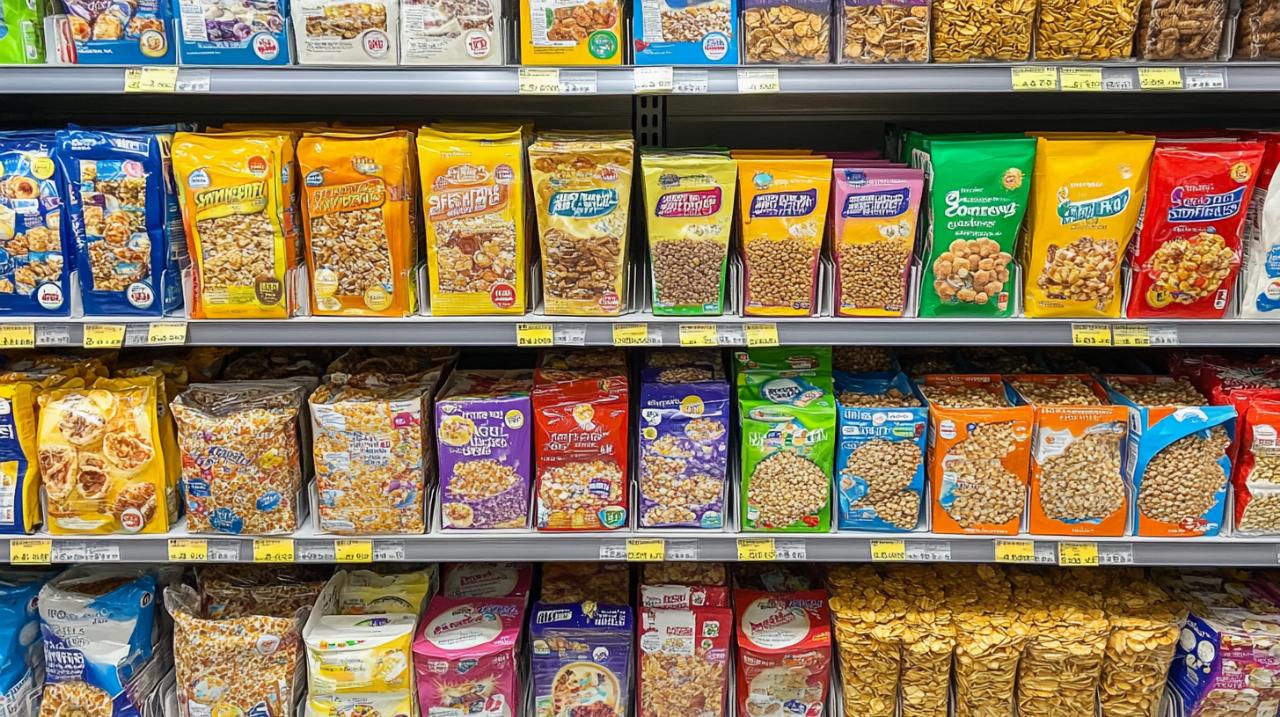
A critical step in maximising savings without sacrificing nutrition is to compare the nutritional profiles of own-label cereals directly with their branded counterparts. Many shoppers assume that branded products automatically offer superior quality, yet a closer examination often reveals that supermarket cereals match or even exceed the nutritional value of premium brands. When evaluating cereals, focus on key metrics such as protein enrichment, fibre content, sugar levels, and vitamin and mineral fortification. For instance, if a branded cereal boasts high protein content, check whether the own-label equivalent offers a similar or better protein-to-price ratio. Fibre content is particularly important for gut health, and many store-brand options now feature wholegrain claims that align with consumer preferences for digestive wellness. Additionally, scrutinise the list of added vitamins and minerals, as supermarket brands frequently fortify their products with essential nutrients to appeal to health-conscious buyers. By conducting these comparisons, shoppers can identify where own-label products deliver equivalent or superior nutritional benefits at a fraction of the cost, making it easier to discover the latest trends in healthy eating while keeping household budgets in check.
Another factor to consider is the flavour and ingredient profile. With fruit and nuts ranking as the most popular cereal ingredients, chosen by 36% and 35% of consumers respectively, store-brand cereals increasingly mirror the taste experiences of branded products. Cocoa, coconut, cinnamon, and cookie flavours add further variety, ensuring that there is something to suit every palate. When comparing products, taste tests at home can provide valuable insights, especially for families with children who may have strong preferences. Many supermarkets offer satisfaction guarantees on their own-label ranges, allowing customers to try products with minimal financial risk. Taking advantage of these policies can help households discover new favourites while ensuring that any switches to store brands are met with enthusiasm rather than resistance. The combination of competitive pricing, nutritional parity, and flavour diversity makes own-label cereals an appealing choice for budget-conscious shoppers who refuse to compromise on quality.
Best Times to Stock Up on Special Offers and Promotions
Timing plays a crucial role in maximising savings on breakfast cereals, as supermarkets regularly run promotions and special offers that can drive prices even lower. Understanding the promotional cycles of major retailers and planning purchases around these periods can lead to substantial savings over the course of a year. Many supermarkets offer multi-buy deals, such as three-for-two offers or discounts on bulk purchases, which are particularly beneficial for non-perishable items like cereals. By stocking up during these promotions, households can lock in lower prices and ensure a steady supply of breakfast staples. Additionally, seasonal sales events, such as back-to-school promotions in late summer or new year health campaigns in January, often feature discounted cereals as retailers seek to attract shoppers looking to refresh their pantries. Subscribing to supermarket loyalty programmes and newsletters can provide advance notice of upcoming promotions, enabling shoppers to plan their purchases strategically and avoid paying full price.
Another effective strategy is to explore the full range of own-label tiers offered by supermarkets. Many retailers operate multiple own-brand lines, ranging from budget essentials to premium selections, each catering to different price points and quality expectations. While the premium own-label ranges may cost slightly more, they often remain significantly cheaper than branded equivalents while offering comparable or superior quality. Conversely, the budget tiers provide exceptional value for shoppers prioritising cost savings above all else, though they may feature simpler formulations and fewer added nutrients. By understanding the positioning of each tier and selecting the most appropriate option for different household needs, shoppers can optimise their spending without sacrificing variety or nutrition. For instance, a family might choose a premium own-label muesli for weekday breakfasts while opting for a budget-friendly cornflake alternative for weekend treats, balancing quality and affordability across their weekly shop. This nuanced approach to purchasing ensures that every pound spent delivers maximum value, making the shift to store-brand cereals both financially rewarding and nutritionally satisfying.
As the breakfast cereal market continues to evolve, driven by consumer demands for health, convenience, and affordability, supermarket own-label ranges are poised to play an increasingly central role. The combination of innovative product development, competitive pricing, and a growing emphasis on positive nutrition positions store-brand cereals as a compelling alternative to traditional branded options. For British households seeking to reduce their grocery bills without compromising on taste or nutritional quality, the expanding array of own-label cereals offers a wealth of opportunities. By staying informed about the latest trends, comparing products thoughtfully, and shopping strategically, consumers can enjoy a healthier, tastier, and more affordable breakfast experience every day.