
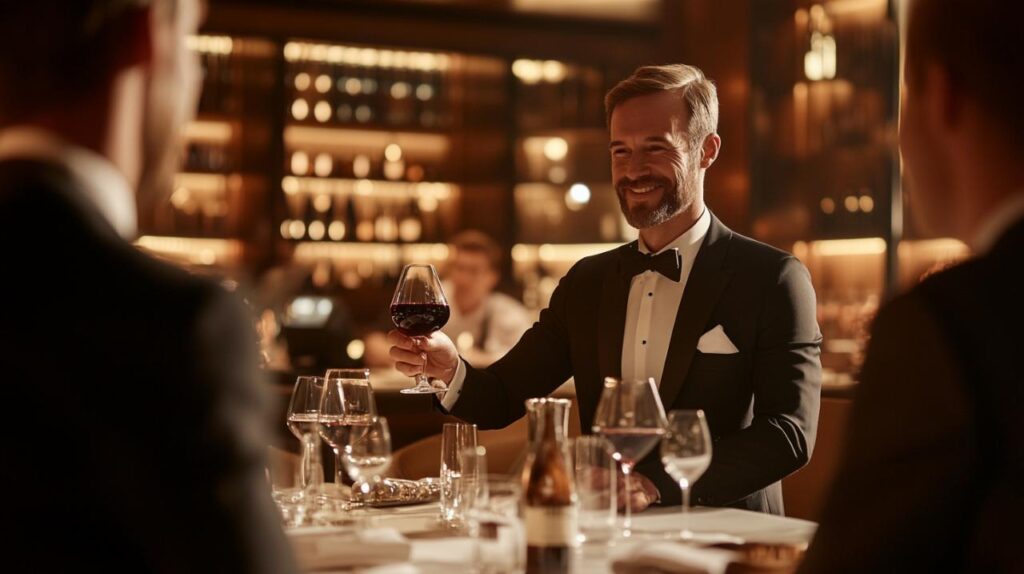
The landscape of restaurant wine sales has evolved dramatically in recent years, and social media marketing now plays a pivotal role in connecting diners with exceptional wine experiences. For restaurateurs and wine managers seeking to elevate their beverage programmes, understanding how to harness digital platforms alongside traditional service excellence creates a powerful combination that drives both customer engagement and profitability. The integration of visual storytelling, staff expertise, and strategic pricing through online channels transforms the way establishments communicate their wine offerings to an increasingly connected audience.
Leveraging social media platforms to showcase your wine programme
Instagram has fundamentally altered how restaurants present their wine selections to potential customers. The platform's visual nature makes it particularly well-suited for showcasing the aesthetic appeal of wine bottles, elegant glassware, and the ambience of dining spaces. Restaurants have recognised this opportunity and are increasingly enhancing their presentation specifically with Instagram in mind, understanding that a beautifully composed photograph of a wine pairing can influence dining decisions before customers even step through the door. This shift towards visual marketing requires establishments to think carefully about lighting, composition, and the overall atmosphere they wish to convey through their digital presence.
Creating Engaging Visual Content for Wine Pairings and Menus
The art of visual storytelling extends beyond simply photographing wine bottles. Successful restaurants demonstrate the synergy between their culinary offerings and wine selections through carefully crafted imagery that captures the essence of food and wine pairings. Educational content serves as another valuable tool, where establishments share information about wine regions, varietals, or the stories behind particular bottles. These posts not only inform but also position the restaurant as a knowledgeable authority in the wine space. The UK wine industry, which now boasts over a thousand vineyards, has particularly benefited from this approach. English wineries and the restaurants that feature their products have discovered that platforms like Instagram allow them to connect directly with consumers, showcasing the quality of sparkling wines and the commitment to sustainability that defines much of the British wine sector. Campaign successes such as the hashtag initiative theBIGenglishwinegoodfriday demonstrate the potential reach of coordinated social media efforts, having generated thirteen million impressions and tangibly increased sales for participating establishments.
Building an Online Community of Wine Enthusiasts Through Interactive Posts
Creating a loyal following on social media requires more than passive content sharing. Interactive engagement forms the cornerstone of community building, where restaurants invite followers to participate in conversations about wine preferences, pairing suggestions, or upcoming events. Hosting question and answer sessions allows establishments to address customer curiosities directly, whilst photo contests encourage user-generated content that amplifies the restaurant's reach organically. Strategic use of hashtags helps content reach beyond existing followers, connecting with wine enthusiasts searching for recommendations or inspiration. Collaboration with local wineries, wine merchants, and fellow hospitality establishments creates mutually beneficial relationships that expand audience networks. The live video feature available on Instagram offers particularly compelling opportunities for real-time engagement, whether showcasing a sommelier conducting a tasting, revealing the arrival of a special allocation, or offering glimpses into private dining rooms where exclusive wine experiences unfold. These interactive elements transform social media from a broadcast channel into a genuine conversation space where customer relationships deepen over time.
Staff Training and Digital Communication: Essential Pillars for Wine Sales Success
Whilst digital marketing attracts attention and generates interest, the ultimate success of wine sales depends fundamentally on the knowledge and service skills of restaurant staff. The correlation between well-trained teams and increased beverage revenue cannot be overstated, as customers rely on recommendations and guidance when navigating wine lists that may contain unfamiliar options or higher-priced selections.
Equipping Your Team with Wine Knowledge and Service Excellence
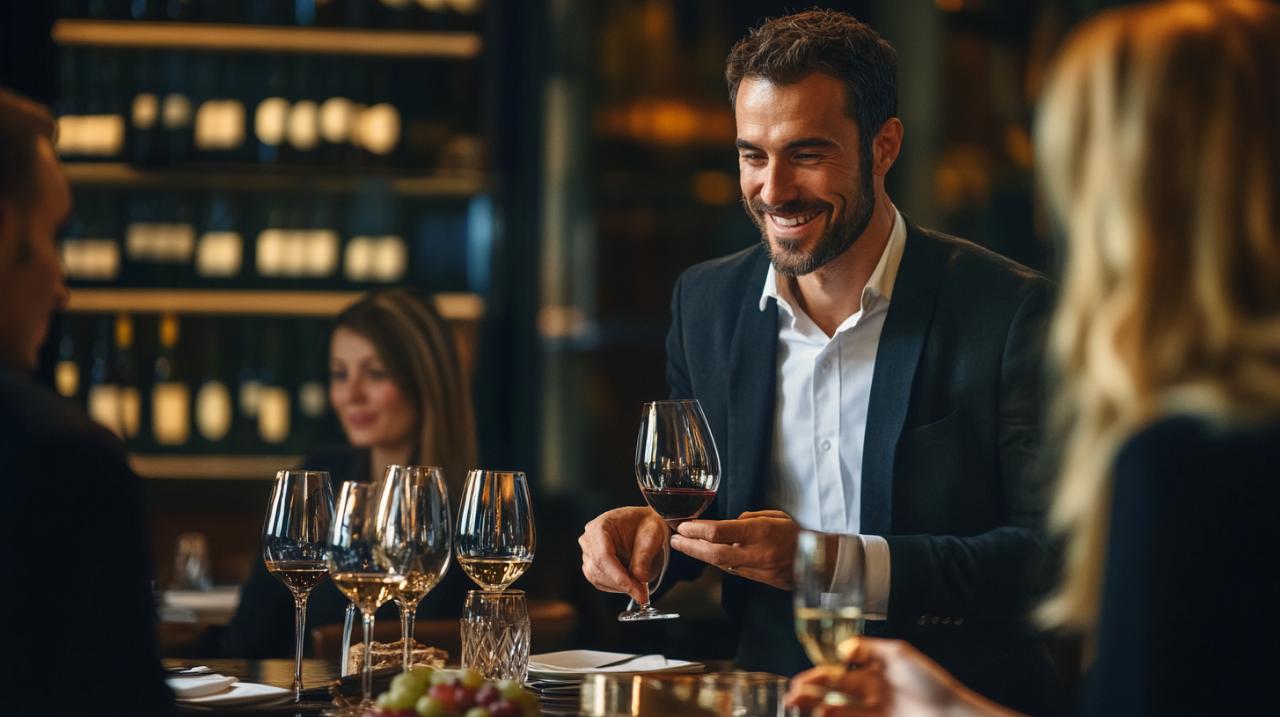
Comprehensive staff training programmes ensure that everyone from servers to management can speak confidently about the wine offerings. This knowledge encompasses understanding the characteristics of different varietals, recognising which wines complement specific menu items, and being able to describe wines in accessible language that resonates with diverse customer backgrounds. The ability to suggest appropriate wines at various price points addresses different customer preferences and budgets, ensuring that every diner feels comfortable exploring the wine programme regardless of their level of expertise or willingness to spend. Training should also emphasise the art of reading customer cues, knowing when to offer detailed explanations and when a concise recommendation suffices. The recognition offered by programmes such as the Sommeliers Choice Awards by Beverage Trade Network highlights wines specifically selected for their appeal in restaurant settings, providing staff with validated options to recommend confidently. Understanding which wines have been recognised in initiatives like the Top 100 On-Premise Wines list gives teams additional talking points and credibility when making suggestions to guests.
Utilising Social Media to Amplify Staff Expertise and Customer Testimonials
Social media provides the perfect platform to showcase the expertise residing within restaurant teams. Featuring staff members in posts, whether sharing their personal wine recommendations, explaining pairing philosophies, or demonstrating proper service techniques, humanises the establishment and builds trust with potential customers. Customer testimonials shared through social channels carry particular weight, as prospective diners value authentic experiences from fellow wine enthusiasts. Encouraging satisfied guests to share their experiences through reviews, tagged posts, or participation in social media challenges creates a steady stream of user-generated content that serves as genuine endorsement. This approach proves particularly effective when customers share photographs of memorable wine experiences, effectively becoming brand ambassadors who extend the restaurant's marketing reach organically. The combination of demonstrated staff knowledge and positive customer feedback creates a compelling narrative that influences dining decisions and positions the establishment as a destination for wine-focused experiences.
Strategic Wine Selection and Pricing to Maximise Average Ticket Value
The composition of a wine list directly impacts both customer satisfaction and restaurant profitability. Strategic curation that balances quality, variety, and price points creates opportunities to accommodate diverse preferences whilst encouraging customers to explore options that enhance their overall dining experience and increase the average ticket size.
Balancing Quality and Price Points for Diverse Customer Preferences
A thoughtfully constructed wine programme offers selections across multiple price tiers, ensuring accessibility for casual diners whilst providing options for those seeking premium experiences or celebrating special occasions. The relationship between wine consumption patterns and sales success hinges on understanding customer psychology around wine pricing. Many diners avoid the least expensive option to sidestep any perception of choosing inferior quality, yet simultaneously hesitate to select the most expensive bottles unless the occasion specifically warrants such investment. This behaviour creates opportunity in the mid-range segments, where quality and value perception align favourably. English wineries and their sparkling wines represent particularly compelling offerings in this context, as the rising popularity and recognition of British wine provides talking points that justify price whilst offering distinctive alternatives to more familiar options. Sustainability credentials also resonate with contemporary consumers, making wines produced with environmental consideration attractive both as ethical choices and conversation pieces that enhance the dining narrative.
Promoting high-value wine pairings through targeted social media campaigns
Social media campaigns focused specifically on wine pairings create multiple benefits for restaurant wine programmes. Event promotions announced through digital channels generate anticipation and allow for advance reservations, which prove particularly valuable for private dining rooms where curated wine experiences command premium pricing. These intimate spaces offer profitability advantages, and promoting them effectively through social media ensures they achieve optimal utilisation. Visual content showcasing specific dish and wine combinations educates customers about the value of pairing, making them more receptive to sommelier suggestions when dining. Announcements regarding new wine arrivals, limited allocations, or special tastings create urgency and exclusivity that motivate engagement and visits. Partnering with local influencers whose followers align with the restaurant's target demographic extends reach beyond existing audiences, introducing the wine programme to potential customers who trust the influencer's recommendations. The integration of email marketing campaigns with social media efforts creates multiple touchpoints, where subscribers receive detailed information about upcoming wine events or featured selections that complement the broader visual storytelling occurring on platforms like Instagram. Virtual tastings have emerged as particularly effective tools for connecting with customers beyond the physical restaurant space, allowing establishments to maintain engagement with wine enthusiasts even when they cannot visit in person, ultimately driving both immediate online sales and future reservations. The key to success lies in maintaining consistency across all channels, developing a coherent strategy that tells the restaurant's unique brand story whilst highlighting the quality, expertise, and experience that define its approach to wine service. Tracking performance through engagement metrics and return on investment measurement ensures that marketing efforts deliver tangible results, allowing for continuous refinement of tactics based on what resonates most effectively with the target audience.