

The landscape of music production has undergone a remarkable transformation, shifting from rigid, linear processes to dynamic, iterative cycles that demand precision, flexibility, and intelligent coordination. Within this evolving environment, cadencier has emerged as a vital concept and toolset, enabling producers, engineers, and artists to maintain rhythm, synchronisation, and workflow integrity across complex projects. Whether applied to the temporal coordination of recording sessions or the orchestration of modern digital audio workstations, understanding cadencier principles is essential for anyone seeking to navigate contemporary production landscapes with confidence and creativity.
Understanding the Fundamentals of Cadencier in Music Production
At its core, cadencier serves as a framework for tracking time, rhythm, and cyclical processes within music production. Traditionally associated with the meticulous management of tempo and beats, the term has expanded to encompass broader workflow orchestration, particularly as production methodologies have shifted towards continuous, overlapping cycles rather than isolated, linear stages. Modern music workflow operates as a five-stage cycle comprising create, prepare, release, sustain, and learn. This cyclical structure contrasts sharply with the old model, which followed a linear path taking two to three years for each album with a single burst of promotion. Today, the new model is circular, running in weeks or months with continuous posting and engagement, reflecting the need for agile, responsive cadencier systems that can adapt to rapid iteration and constant audience interaction.
What makes cadencier essential for rhythm tracking
Rhythm tracking forms the backbone of any successful production, and cadencier provides the structural discipline required to ensure that creative and logistical elements align harmoniously. Within the create stage, songwriting, production, and recording demand precise timing and coordination, as multiple contributors and technical processes converge. Cadencier principles ensure that each component is synchronised, preventing drift and maintaining the integrity of the musical vision. As the workflow progresses into the prepare stage, setting up distribution, creating assets, and planning campaigns require careful orchestration of timelines and deliverables. The cadencier approach ensures that these preparatory activities are not treated as afterthoughts but are woven seamlessly into the broader cycle, enabling a coordinated launch over one to four weeks during the release stage. This disciplined rhythm tracking extends into the sustain stage, where keeping songs alive with ongoing engagement and promotion demands continuous attention and strategic timing, and into the learn stage, where gathering insights and analysing data feed into the next cycle, creating a continuous loop that compounds success over time.
Core Components and Architecture of the Cadencier System
The architecture underpinning cadencier systems in modern production environments is built upon robust, scalable infrastructure that integrates seamlessly with digital workflows. Key technologies such as PostgreSQL, Apache Cassandra, Apache Kafka, and ClickHouse provide the data infrastructure necessary to manage distributed processes and ensure execution reliability. Cadence Workflow, an open-source workflow engine, exemplifies the principles of cadencier by enabling management of distributed processes through deterministic design and idempotent activities. This architecture supports workflows, activities, event handling, synchronous queries, task lists, and archival for long-term data storage, ensuring that every element of a production cycle is tracked, coordinated, and recoverable. The platform's emphasis on workflow versioning and resource optimisation allows producers to iterate rapidly while maintaining consistency and reliability, addressing common workflow failures such as undefined stages, absent learning loops, and inadequate infrastructure. By establishing a clear review rhythm and creating templates, producers can define their cadence, map their processes, and build a workflow that adapts to the demands of continuous promotion and audience engagement.
Practical Implementation of Cadencier in Contemporary Production Environments
Translating cadencier principles into everyday practice requires thoughtful integration with the tools and platforms that define contemporary music production. The shift towards circular, continuous workflows demands that cadencier systems are not isolated add-ons but integral components of the production ecosystem, capable of coordinating activities across stages and facilitating seamless transitions between create, prepare, release, sustain, and learn. This integration is particularly critical in environments where promotional activities are woven through all stages, requiring precise timing and coordination to maximise impact and audience reach.
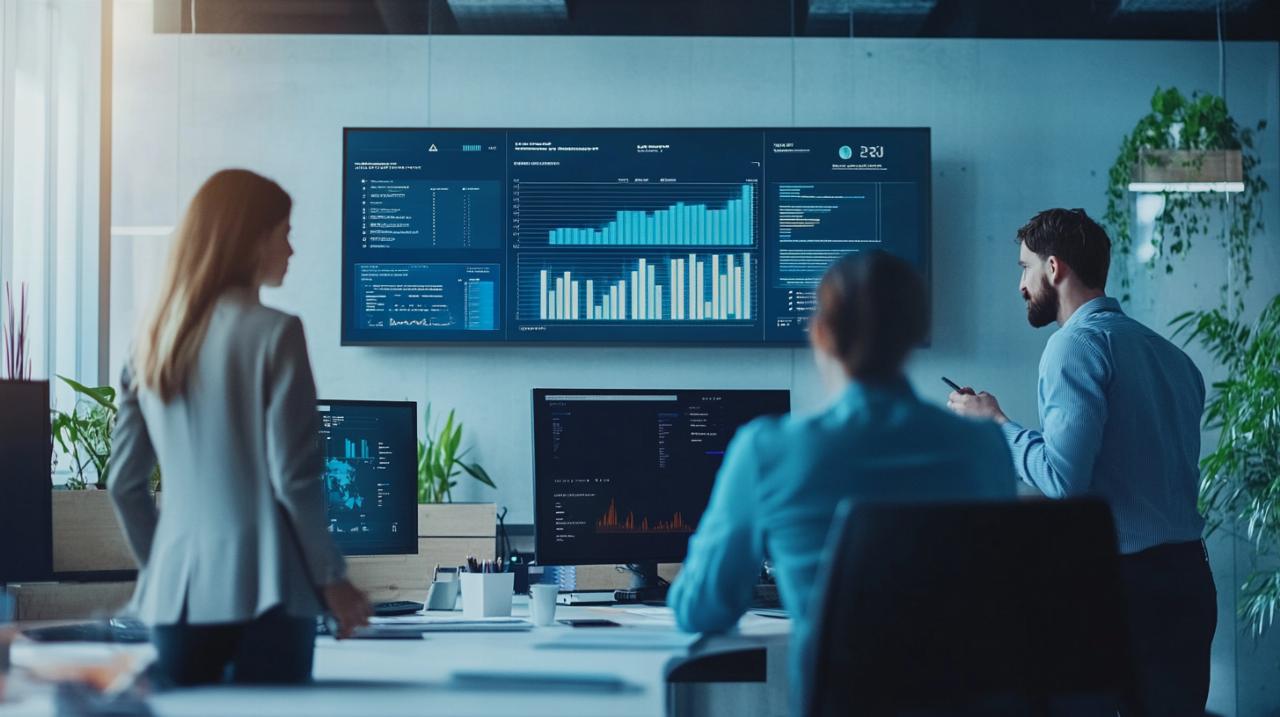
Integrating cadencier with digital audio workstations
Digital audio workstations serve as the nerve centre for modern production, and integrating cadencier functionality within these platforms enhances both creative and logistical efficiency. By embedding rhythm tracking and workflow orchestration directly into the DAW environment, producers can synchronise recording sessions, editing tasks, and mixing processes with broader project timelines and campaign schedules. This integration leverages workflow templates and task lists to automate routine coordination tasks, freeing creative energy for artistic decisions. The use of open-source data infrastructure ensures that integration remains flexible and adaptable, supporting hosting in the cloud and on-premises as production needs evolve. Furthermore, the incorporation of AI-driven analytics into cadencier systems enables real-time monitoring of workflow progress, flagging potential bottlenecks and suggesting optimisations based on historical data and emerging patterns. This intelligent integration transforms the DAW from a static recording tool into a dynamic coordination hub, capable of managing complex, distributed processes while maintaining the rhythm and timing essential to successful production.
Optimising workflow efficiency through cadencier time management
Efficiency in modern production hinges on the ability to manage time effectively across overlapping stages and concurrent projects. Cadencier time management principles provide a structured approach to defining cadence, establishing review rhythms, and ensuring that each stage of the workflow receives appropriate attention and resources. To build an effective workflow, producers must map their processes, identify key milestones, and create templates that standardise recurring tasks while allowing flexibility for creative experimentation. The continuous loop inherent in modern workflows means that learning outcomes from one cycle directly inform the next, creating a compounding effect that improves audience metrics and strategic outcomes over time. Indicators of a successful workflow include timely releases, growing audience engagement, and clear, actionable learning outcomes that guide future planning. By focusing on deterministic design and leveraging versioning, producers can ensure that workflow iterations remain consistent and traceable, while designing idempotent activities minimises the risk of errors and duplication. This disciplined approach to time management not only enhances efficiency but also builds resilience into the workflow, enabling producers to respond swiftly to unexpected challenges and opportunities.
Advanced Techniques and Best Practices for Cadencier Mastery
Mastering cadencier requires more than understanding its fundamentals and practical applications; it demands a commitment to continuous improvement, strategic synchronisation, and proactive problem-solving. Advanced practitioners leverage cadencier principles to coordinate multiple projects simultaneously, maintain consistency across diverse production environments, and troubleshoot challenges that could derail even well-planned workflows. This mastery is built upon a foundation of enterprise-grade security, scalability, and expert support, ensuring that infrastructure can grow alongside ambition and complexity.
Synchronising multiple projects using cadencier protocols
Coordinating multiple production projects in parallel is a hallmark of advanced cadencier mastery. This requires robust protocols for task distribution, resource allocation, and timeline synchronisation, ensuring that each project progresses smoothly without compromising the others. Managed services for Cadence Workflow, such as those provided by platforms like Instaclustr, offer scalability and expert support, enabling producers to focus on creative and strategic decisions rather than infrastructure management. By establishing clear task lists and event handling mechanisms, producers can monitor progress across projects, identify dependencies, and adjust timelines dynamically as circumstances evolve. The use of workflow versioning ensures that changes in one project do not inadvertently disrupt others, while deterministic design principles guarantee that each workflow executes reliably, even under heavy load. This synchronised approach extends to promotional activities and campaign planning, where coordinated releases and sustained engagement across multiple projects amplify audience reach and maximise strategic impact. The ability to manage distributed processes with precision and confidence is a defining characteristic of cadencier mastery, transforming complex production landscapes into cohesive, harmonious ecosystems.
Troubleshooting common challenges in cadencier operation
Even the most carefully designed workflows encounter challenges, and effective troubleshooting is essential to maintaining rhythm and momentum. Common workflow failures include undefined stages, absent learning loops, treating promotional assets as afterthoughts, and lacking adequate infrastructure to support coordination and data analysis. Addressing these challenges requires a systematic approach, beginning with a thorough review of the workflow architecture and identification of bottlenecks or gaps in coordination. Installing and configuring Cadence Workflow involves Docker and running a server, registering domains for workflows, and ensuring that all components are correctly integrated. Tips for optimising operation include focusing on deterministic design to eliminate unpredictability, leveraging versioning to manage changes without disrupting ongoing processes, designing idempotent activities to prevent duplication and errors, and optimising resource allocation to balance load across infrastructure. Alternatives to Cadence, such as Temporal, Apache Airflow, Argo Workflows, Prefect, and Imixs-Workflow, each offer unique features and may suit different production environments, but understanding the core cadencier principles remains essential regardless of platform. By maintaining a proactive approach to troubleshooting and continuously refining workflows based on data analysis and learning outcomes, producers can build resilient, efficient cadencier systems that adapt to evolving demands and sustain long-term success.