
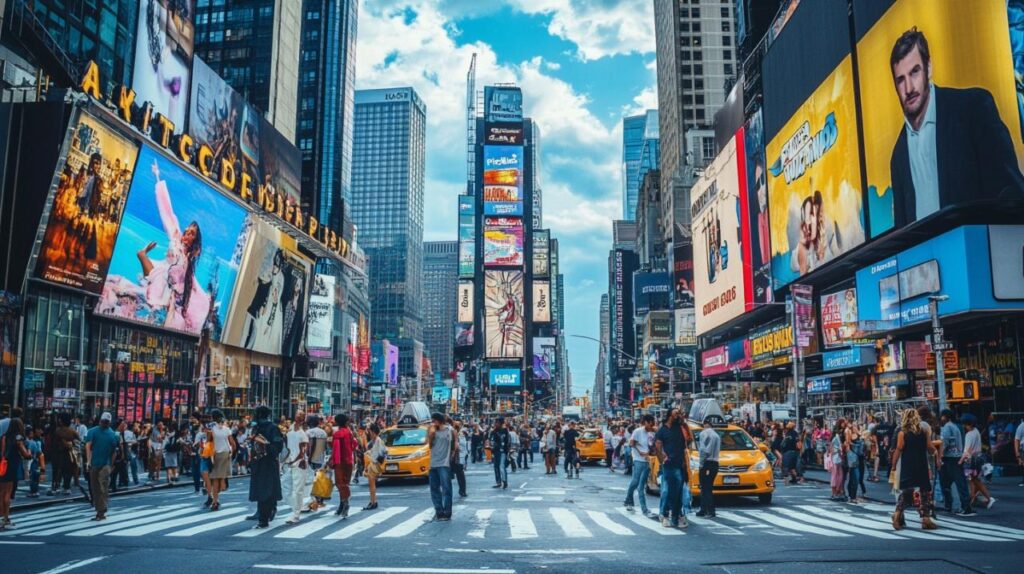
In an era where brands compete fiercely for attention, street marketing has emerged as a powerful tool to break through the noise and connect with consumers in memorable, authentic ways. Yet beyond the creative flair and immediate buzz these campaigns generate, street marketing agencies offer something even more valuable: a treasure trove of consumer insights that can directly inform smarter, data-driven marketing decisions. By combining the spontaneity of guerrilla tactics with rigorous measurement and analysis, these agencies unlock a unique perspective on audience behaviour that traditional channels often miss.
Capturing real-time consumer behaviour and reactions
Direct engagement reveals authentic customer responses
One of the most compelling advantages of working with a street marketing agency is the ability to observe and capture genuine consumer reactions as they happen. Unlike digital campaigns where interactions are filtered through screens and algorithms, street-level activations place brands directly in front of their target audiences in public spaces. This immediacy allows marketers to witness first-hand how people respond to messaging, product samples, or creative installations. The authenticity of these reactions is invaluable, as consumers are not performing for a camera or responding to a survey prompt. Instead, their body language, verbal feedback, and willingness to engage provide honest signals about what resonates and what falls flat. These agencies excel at creating environments where passersby feel comfortable interacting, whether through playful guerrilla marketing tactics, interactive installations, or simple conversation. The insights gleaned from these encounters offer a richness that surveys and focus groups often struggle to replicate, providing a real-world litmus test for brand messaging and creative concepts.
Measuring immediate impact through on-street interactions
Beyond qualitative observations, street marketing agencies employ sophisticated methods to quantify engagement and measure immediate impact. By tracking how many people stop, interact, or take action during a campaign, agencies can generate concrete metrics that feed into broader marketing effectiveness platforms. For instance, counting footfall, recording dwell time, and monitoring social media mentions tied to specific activations provide a clear picture of campaign reach and resonance. These measurements are not abstract or delayed; they happen in real time, allowing marketers to adjust tactics on the fly or gather evidence of success almost instantly. The integration of mobile technology and QR codes further enhances this capability, enabling street campaigns to bridge the gap between offline engagement and digital tracking. When these data points are combined with demographic observations and location-specific information, brands gain a nuanced understanding of which segments of their audience are most responsive and why. This granular insight supports evidence-based decisions that can inform everything from content creation to budget optimisation across other marketing channels.
Gathering actionable data through creative guerrilla tactics
Tracking Footfall and Engagement Metrics in Live Campaigns
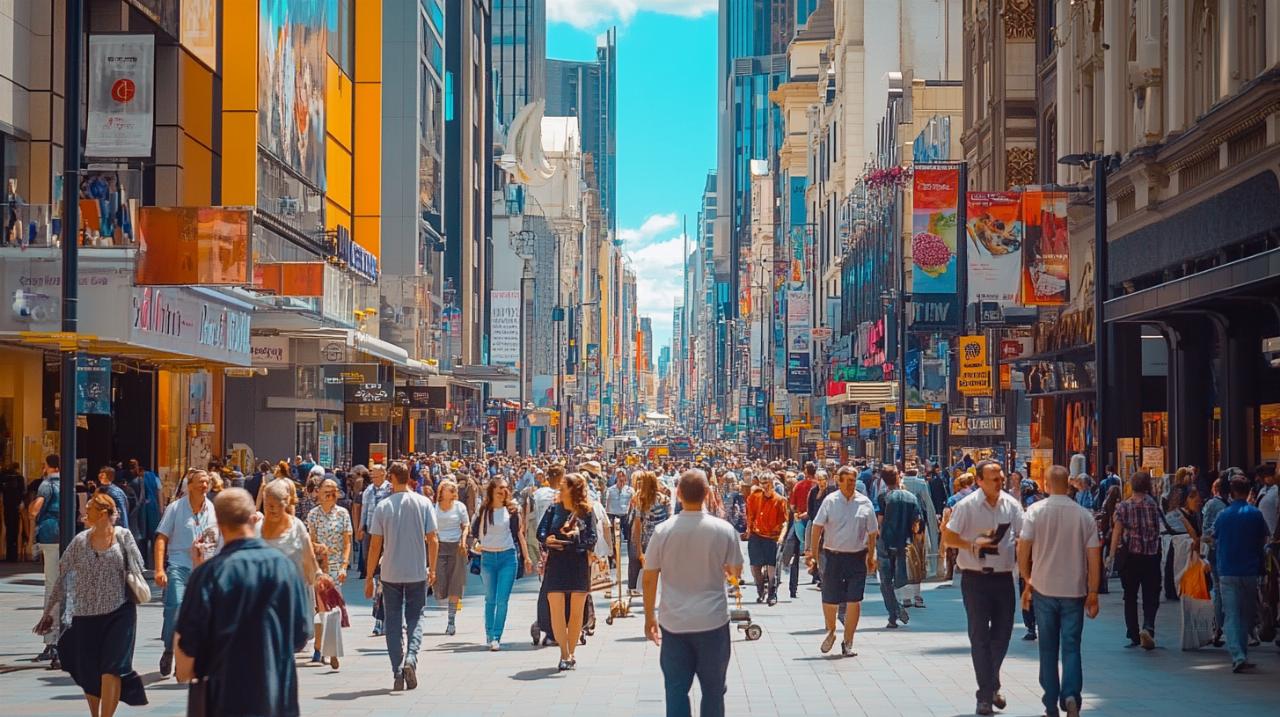
Street marketing agencies leverage creative guerrilla tactics not only to surprise and delight audiences but also to collect actionable data that traditional advertising methods cannot easily access. By deploying campaigns in high-traffic urban areas, agencies can systematically track footfall patterns, peak engagement times, and the types of individuals who respond most enthusiastically. This data-driven marketing approach transforms spontaneous street activations into controlled experiments that yield valuable insights about customer acquisition and audience behaviour. For example, an agency might run a series of pop-up events in different neighbourhoods, carefully monitoring conversion rates and immediate sales or sign-ups at each location. These metrics feed directly into marketing optimisation efforts, helping brands understand which geographic areas or demographic segments offer the highest return on ad spend. Moreover, the creative nature of guerrilla marketing often generates organic social media buzz, which can be tracked and analysed to measure amplification and sentiment. When these insights are integrated with digital marketing strategies and cross-channel dashboards, brands gain a comprehensive view of how offline and online efforts reinforce one another, paving the way for more efficient marketing channels and improved customer insights.
Utilising feedback mechanisms to inform marketing strategy
Street marketing agencies also excel at embedding feedback mechanisms directly into their campaigns, turning every activation into an opportunity for market research and brand development. Whether through interactive surveys delivered via tablets, casual conversations with brand ambassadors, or incentivised feedback forms, these agencies gather qualitative and quantitative data that inform strategic services and future marketing campaigns. This approach mirrors the rigour of a SWOT analysis conducted in real time, revealing strengths in messaging, weaknesses in delivery, opportunities for new product positioning, and potential threats from competitor offerings. The immediacy of this feedback loop is a significant advantage, as it allows brands to iterate and refine their strategies far more quickly than traditional research cycles permit. Furthermore, the insights collected on the street often highlight customer pain points or desires that have not yet surfaced in digital analytics or focus groups, providing a fresh perspective that can drive content marketing and hyper-personalisation efforts. By treating every street campaign as both a promotional vehicle and a data collection exercise, agencies help brands build a data-driven culture that values evidence-based decisions and continuous improvement. This dual focus on creativity and measurement ensures that marketing impact is not just felt but also quantified and optimised over time.
Enhancing brand intelligence with targeted street-level insights
Understanding Demographics and Preferences in Specific Locations
Street marketing agencies offer a unique ability to gather detailed demographic and psychographic data tied to specific locations, which is invaluable for businesses seeking to refine their targeting and personalisation strategies. By observing who engages with campaigns in particular areas, agencies can build profiles of local audiences that go beyond broad assumptions. For instance, a campaign in a trendy neighbourhood might reveal preferences for sustainable products or cutting-edge design, while an activation in a family-oriented suburb might highlight demand for convenience and value. These location-specific insights enable brands to tailor their messaging, creative design, and even product offerings to resonate more deeply with local markets. This level of granularity supports predictive analytics and future trends forecasting, as patterns observed on the street often presage shifts in broader consumer behaviour. Moreover, when combined with data from marketing data warehouse systems and integrated dashboards, street-level insights enrich omnichannel measurement efforts, allowing brands to see how offline interactions influence online conversions and vice versa. This holistic view is essential for enterprise brands looking to maximise media efficiency and drive business growth across diverse markets.
Integrating street campaign data with digital analytics platforms
The true power of street marketing insights is realised when they are seamlessly integrated with digital analytics platforms, creating a unified view of customer acquisition, engagement, and conversion across all touchpoints. Forward-thinking street marketing agencies now work closely with technology providers to ensure that data collected on the ground flows directly into marketing effectiveness platforms, enabling media mix modelling, incrementality testing, and media plan optimisation. This integration allows brands to assess the contribution of street campaigns alongside search engine optimisation, PPC advertising, social media marketing, email marketing, and other channels, providing a comprehensive picture of return on investment and key performance indicators. For example, a street activation that drives significant social media engagement can be tracked through to website visits and purchases, revealing the full customer journey and the true customer acquisition cost. Such insights empower marketing agencies to make smarter decisions about budget optimisation and resource allocation, ensuring that every pound spent delivers maximum impact. The combination of rich, qualitative street-level data and rigorous digital measurement creates a powerful foundation for a data-driven marketing strategy that balances creativity with accountability. As AI personalisation and ethical data frameworks continue to evolve, the ability to merge offline and online insights will become even more critical, positioning street marketing agencies as essential partners in the quest for improved customer insights and sustainable competitive advantage.