
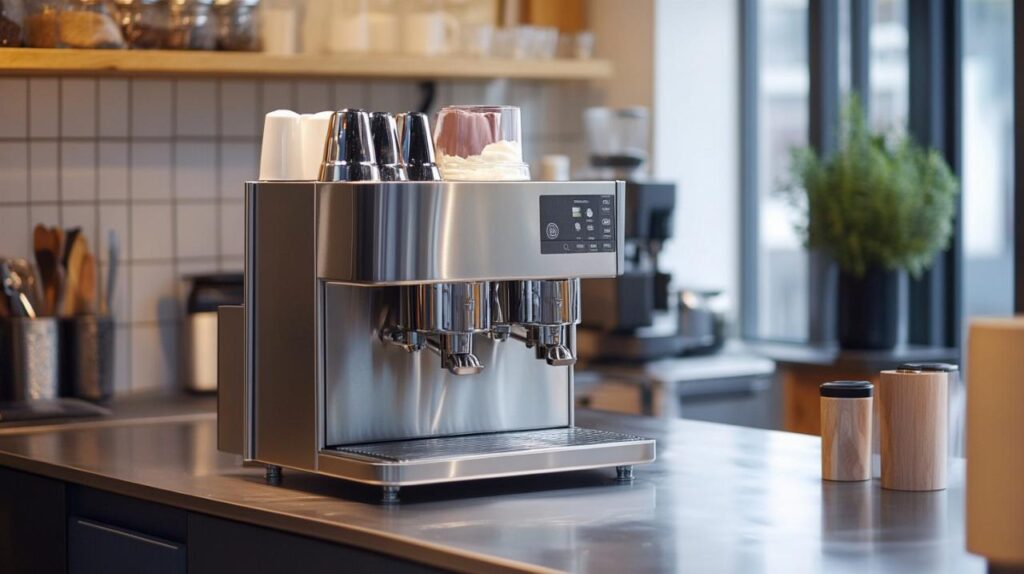
For anyone venturing into the world of frozen desserts, selecting the right professional ice cream equipment stands as a pivotal decision that directly influences both product quality and operational efficiency. Whether you are running a bustling café, launching a mobile ice cream venture, or managing a high-volume retail outlet, the machinery you choose will determine the texture, consistency, and overall appeal of your offerings. The market presents a wide array of options, from non-compressor models suited to occasional use to robust compressor machines designed for continuous batch production. Understanding the nuances of capacity, power consumption, and build quality ensures you invest wisely in stainless steel equipment that meets the rigorous demands of commercial service.
Essential criteria for selecting professional ice cream equipment
When assessing professional ice cream machines, the first consideration revolves around the operational demands of your business. Two main types of ice cream makers dominate the market: compressor machines, which feature an integrated refrigeration unit, and non-compressor machines, which rely on pre-frozen bowls. Compressor models offer the distinct advantage of enabling multiple batches throughout a single day, making them ideal for high-turnover environments where demand fluctuates and speed is paramount. Conversely, non-compressor machines present a more budget-friendly entry point, though they are generally limited to producing one batch per day, as the bowl must be returned to the freezer between uses. For businesses anticipating steady or increasing customer flow, the flexibility afforded by a compressor machine justifies the higher initial outlay.
Evaluating Capacity Requirements and Power Specifications for Your Business
Capacity plays a crucial role in determining which machine aligns with your operational goals. For instance, a non-compressor model such as the Cuisinart ICE-30BC boasts a capacity of approximately 1.89 litres and can produce around 1.16 litres of finished ice cream in about 31 minutes. This specification makes it well-suited to smaller operations or start-ups where volume demands remain modest. If you seek a slight upgrade in texture and creaminess, the Cuisinart ICE-70P1 offers a similar capacity with enhanced mixing technology. On the compressor side, the Cuisinart ICE-100 provides a 1.4 litre capacity and delivers roughly 1.06 litres of ice cream in just 25 minutes, offering faster turnaround without the need for bowl freezing. For those prioritising premium quality, the Lello 4080 Musso Lussino represents a higher-end choice that produces notably smooth, professional-grade results, albeit at a steeper price point.
Professional settings with even greater demands may benefit from models such as the Lello Musso Pola 5030, which features a larger capacity and delivers exceptionally smooth ice cream in as little as 12 minutes. This rapid production cycle is invaluable during peak service hours, enabling staff to maintain consistent supply without delays. When evaluating capacity, consider not only the volume per batch but also the frequency with which you intend to produce new batches throughout the day. Machines with integrated refrigeration units remove the bottleneck associated with bowl freezing, thereby supporting continuous operation and maximising revenue potential during busy periods.
Understanding Price Points and Investment Value in Commercial Ice Cream Machinery
Price considerations naturally vary depending on the features, capacity, and build quality of the equipment. Entry-level non-compressor machines can serve as a cost-effective solution for businesses testing the market or operating on a limited budget. However, the long-term value of investing in a compressor machine becomes apparent when you account for the increased batch frequency and operational flexibility it provides. For example, the Buffalo CM289 Upright Ice Cream Maker is available at approximately £418.80 including VAT, offering a compact design capable of producing up to two litres per cycle. This model strikes a balance between affordability and performance, making it an attractive option for small to medium-sized establishments.
At the higher end of the spectrum, the Spaceman T29 Soft Serve Machine retails at around £7,899.98 including VAT and features two 12-litre hoppers, catering to busy setups where soft serve varieties are in high demand. Meanwhile, the Spaceman T15, priced at approximately £5,692.80 including VAT, incorporates an eight-litre hopper and is tailored for operations experiencing moderate footfall. These premium machines often include extended warranty options, with some manufacturers offering two years of product protection at no extra cost. Upgrading to five years of coverage for a modest fee, such as £14.99 or £39.99 depending on the model, provides additional peace of mind and safeguards your investment against unforeseen repair expenses.
Italian stainless steel machines: quality standards and equipment types
Italian manufacturers have long been synonymous with excellence in ice cream machinery, and stainless steel construction remains a hallmark of their designs. Stainless steel offers unparalleled durability, resistance to corrosion, and ease of cleaning, all of which are essential in commercial food service environments. Machines crafted in Italy often adhere to stringent quality standards, ensuring consistent performance even under intensive use. The choice between horizontal and turbine machine models depends largely on the scale of production and the specific types of frozen desserts you wish to offer. Horizontal machines typically accommodate larger batch sizes and are favoured in high-volume settings, while turbine models provide flexibility and efficiency for diverse product lines.
Comparing Horizontal and Turbine Machine Models for Different Production Needs
Horizontal machines are characterised by their wide mixing chamber and robust motor systems, which facilitate the production of dense, richly textured ice cream in substantial quantities. These models are particularly advantageous for businesses that prioritise batch consistency and require the capacity to serve large crowds or supply multiple service points simultaneously. The design of horizontal machines also simplifies the incorporation of mix-ins and toppings, enabling operators to experiment with complex flavour profiles without compromising texture. Turbine machines, on the other hand, are distinguished by their vertical mixing action and compact footprint. They excel in environments where space is at a premium and where the menu features a variety of lighter, airier frozen desserts such as gelato or sorbet. The turbine mechanism ensures even distribution of ingredients and rapid freezing, which is critical for achieving the smooth, velvety consistency that customers expect.
When selecting between these two types, consider the range of products you plan to offer and the physical layout of your premises. A horizontal machine may be the superior choice for a dedicated ice cream parlour with ample floor space, while a turbine model could prove ideal for a café or restaurant seeking to diversify its dessert menu without undertaking major renovations. Both configurations benefit from stainless steel construction, which not only enhances longevity but also simplifies daily cleaning routines. Proper hygiene is paramount in food service, and machines with easily accessible components and smooth surfaces reduce the risk of bacterial build-up and ensure compliance with health and safety regulations.
Versatility in Flavour Production: Soft Ice Cream and Frozen Cream Capabilities
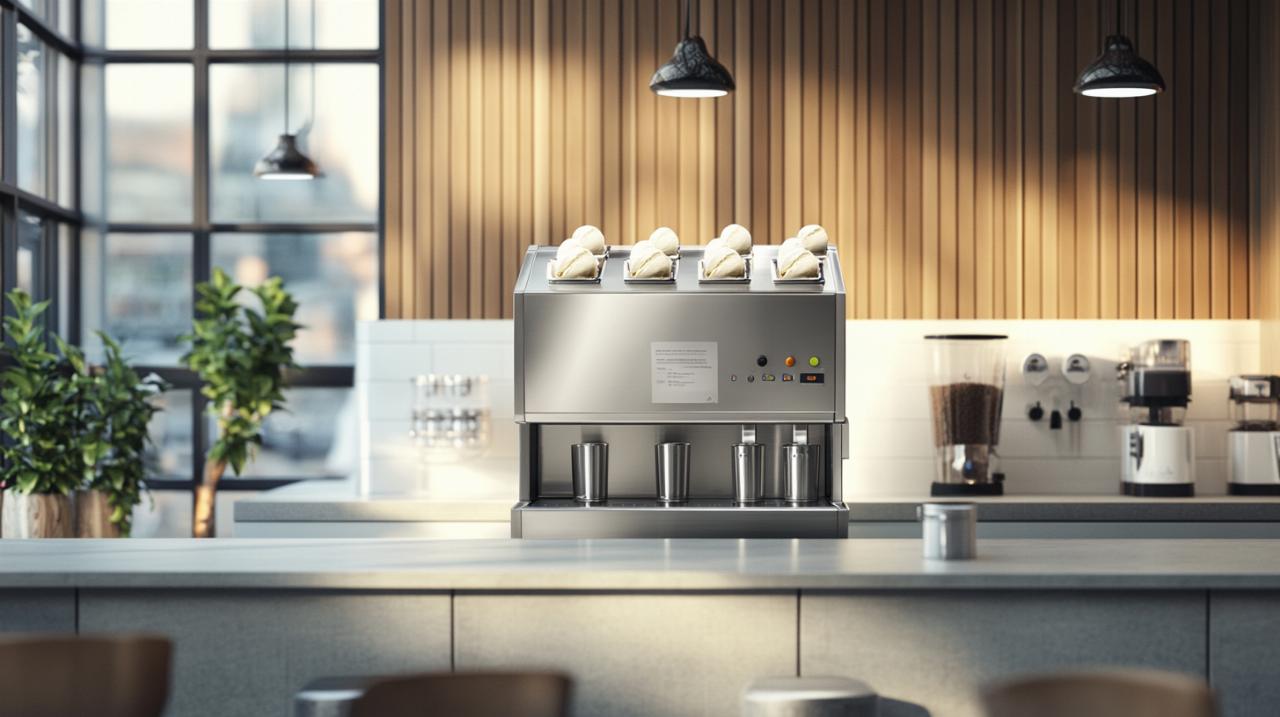
Modern professional ice cream machines are designed to accommodate a wide spectrum of frozen desserts, from traditional hard ice cream to soft serve varieties and even frozen cream preparations. Soft ice cream machines, such as the Spaceman T29 and T15 models, are engineered to maintain precise freezer temperatures and deliver a consistent, velvety texture that appeals to customers of all ages. These machines typically feature multiple hoppers, allowing operators to offer several flavours simultaneously and cater to diverse taste preferences. The ability to produce soft serve on demand is particularly valuable during summer months, when customer traffic peaks and rapid service becomes essential.
Frozen cream capabilities extend the versatility of your equipment even further, enabling you to craft indulgent sundaes, milkshakes, and other blended treats that complement your core ice cream offerings. Many machines now incorporate programmable settings that allow you to adjust freezing parameters and mixing speeds, ensuring optimal results for each product type. This level of control is especially beneficial when experimenting with new recipes or seasonal flavours, as it empowers you to fine-tune texture and consistency without investing in additional machinery. By selecting equipment that supports both soft ice cream and frozen cream production, you maximise the utility of your investment and position your business to respond swiftly to evolving consumer trends.
Practical considerations for purchasing professional ice cream machines
Beyond capacity, type, and price, several practical factors warrant attention when purchasing commercial ice cream equipment. One critical aspect is the availability of detailed technical datasheets, which provide insights into power consumption, refrigeration performance, and maintenance requirements. These documents serve as essential reference tools, enabling you to compare models objectively and anticipate ongoing operational costs. Additionally, stock availability and delivery timelines can significantly impact your ability to launch or expand services, particularly during peak trading seasons. Reputable suppliers typically maintain robust inventories and offer expedited shipping options, ensuring that your equipment arrives promptly and is ready for installation.
Reviewing technical datasheets and performance specifications
Technical datasheets offer a comprehensive overview of each machine's capabilities, including power ratings, refrigeration efficiency, and cycle times. For example, understanding that a model requires a freezer temperature below minus eighteen degrees Celsius for optimal performance allows you to assess whether your existing infrastructure can support it. Similarly, datasheets often detail cleaning protocols, which are vital for maintaining hygiene standards and prolonging equipment lifespan. Some manufacturers recommend covering the ice cream bowl with cling film during freezing to prevent condensation, a simple yet effective measure that safeguards product quality.
Performance specifications also encompass factors such as noise levels, footprint dimensions, and energy consumption, all of which influence the day-to-day operation of your business. A compact machine with a low noise profile may be preferable in a customer-facing environment, while a larger, more powerful unit might be better suited to a back-of-house production area. By scrutinising these details, you can identify equipment that aligns with your spatial constraints and operational priorities, thereby avoiding costly retrofits or disruptions once the machine is in place. Furthermore, understanding warranty coverage and service agreements is essential. Many suppliers include two years of product protection at no extra cost, with options to extend coverage to three or five years for a modest fee. These warranties offer reassurance and help mitigate the financial impact of unexpected repairs or component failures.
Stock Availability and Delivery Options for Commercial Equipment
Stock availability is a crucial consideration, particularly for businesses planning to capitalise on seasonal demand or launching new service lines under tight deadlines. Suppliers with established distribution networks and well-stocked warehouses can typically fulfil orders more rapidly, reducing the risk of delays that might otherwise compromise your opening schedule. When evaluating potential suppliers, inquire about lead times, shipping methods, and the availability of expedited delivery services. Some vendors also offer installation support and on-site training, which can prove invaluable for staff who are unfamiliar with the equipment or who require guidance on optimal operating procedures.
In addition to delivery logistics, consider the supplier's reputation for customer service and technical support. Access to responsive assistance can make a significant difference when troubleshooting issues or seeking advice on maintenance best practices. Suppliers who provide comprehensive after-sales support, including access to spare parts and servicing technicians, help ensure that your equipment remains operational throughout its lifespan. As summer sales equipment becomes increasingly integral to revenue generation, securing a reliable supply chain and robust support network is as important as selecting the right machine itself. By addressing these practical considerations early in the purchasing process, you lay the groundwork for a smooth, successful deployment and long-term operational excellence.