
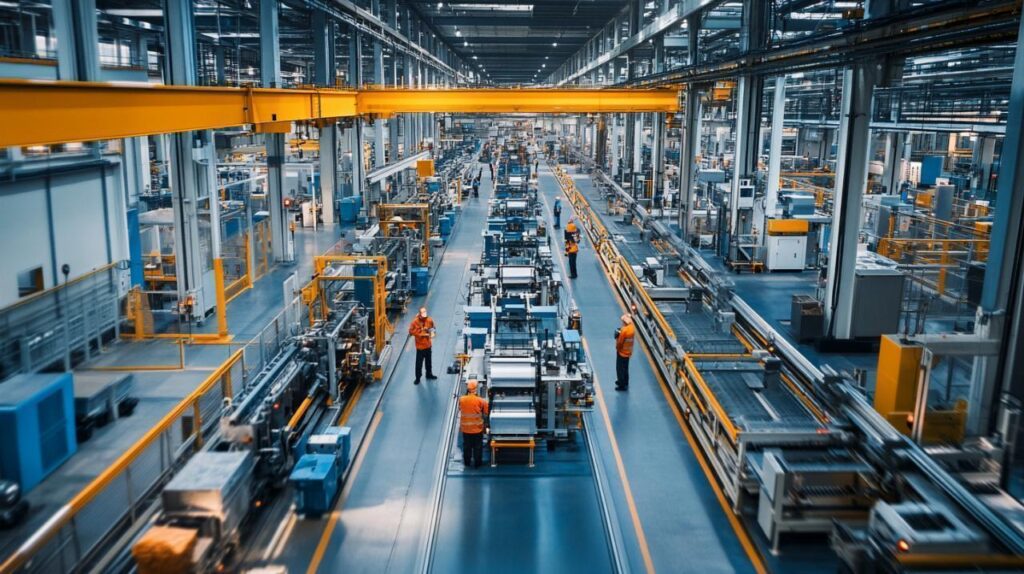
Organising a production line with precision and consistency requires more than just arranging machines and workers in a logical sequence. It demands a commitment to ongoing refinement, strategic thinking, and a willingness to adapt proven methodologies that have transformed manufacturing worldwide. Drawing inspiration from the Toyota Production System, businesses of all sizes can unlock remarkable gains in efficiency, quality, and overall operational performance. This journey towards production excellence is not about implementing a one-time fix but cultivating a mindset where every process, every movement, and every moment is an opportunity for improvement.
Streamlining workflow and optimising station layout
Mapping your process flow for maximum efficiency
Understanding the journey of a product from raw material to finished goods is the foundation of any efficient production line. Mapping your process flow involves scrutinising each step to identify where value is genuinely added and where resources are simply consumed without benefit. This practice, often referred to as value stream mapping, allows you to visualise the entire production cycle and spot inefficiencies that might otherwise remain hidden. By examining how materials move, how information flows, and where delays occur, you can begin to design a system that prioritises smooth, uninterrupted progression. The goal is to create a production environment where work moves seamlessly from one stage to the next, much like water flowing effortlessly downstream. When you eliminate unnecessary steps and redundant activities, you reduce the time products spend idle and increase the speed at which customer orders are fulfilled. This approach not only enhances productivity but also reduces costs associated with handling, storage, and waiting. The principles of Just-in-Time production, a cornerstone of the Toyota Production System, emphasise producing exactly what the customer wants, precisely when they want it, and in the exact quantities required. This philosophy minimises waste and ensures that every action on the production line contributes directly to customer value. Achieving this level of efficiency requires careful planning, constant observation, and a willingness to challenge established routines. By mapping your process flow thoroughly, you lay the groundwork for a production line that operates with clarity and purpose.
Eliminating bottlenecks through strategic workstation design
Even the most carefully planned production line can suffer from bottlenecks, those frustrating points where work accumulates and flow slows to a crawl. Identifying and eliminating these choke points is essential for maintaining a steady pace of production. Strategic workstation design plays a crucial role in this effort, ensuring that each station is equipped with the right tools, materials, and space to perform its tasks efficiently. When workstations are well organised, workers can access what they need without unnecessary movement or searching, which saves time and reduces fatigue. The concept of Lean Manufacturing encourages the elimination of waste in all its forms, including wasted motion and wasted time. By arranging tools and materials within easy reach and designing workstations to support natural, ergonomic movements, you create an environment where productivity flourishes. Visual management techniques, such as clearly labelled storage areas and colour-coded components, further enhance efficiency by making information immediately accessible. This clarity helps workers make quick decisions and reduces the likelihood of errors. Additionally, balancing the workload across stations ensures that no single point in the line becomes overwhelmed while others remain underutilised. This balance, known as heijunka or production levelling, smooths out the peaks and valleys in demand and workload, creating a more stable and predictable production rhythm. When bottlenecks are removed and workstations are optimised, the entire production line operates more smoothly, with fewer disruptions and greater overall output. This strategic approach to workstation design is not a one-time task but an ongoing process of refinement and adjustment, guided by the principle of Kaizen, or continuous improvement.
Time management and performance monitoring techniques
Conducting thorough time studies across production stages
Time is one of the most valuable resources in any manufacturing operation, and understanding how it is spent at each stage of production is critical to improving efficiency. Conducting thorough time studies involves meticulously measuring the duration of each task, from the moment materials arrive at a workstation to the moment they leave. This detailed analysis reveals where time is being used effectively and where it is being squandered. By breaking down complex processes into individual steps, you can identify opportunities to streamline activities, eliminate unnecessary delays, and improve overall cycle times. Time studies also help establish standardised work, which ensures that tasks are performed consistently and efficiently by all workers. Standardised work is a key element of the Toyota Production System, providing a baseline against which improvements can be measured. When workers follow a standardised process, variability is reduced, quality improves, and training new employees becomes more straightforward. Moreover, time studies can uncover hidden inefficiencies such as excessive transportation of materials, waiting for equipment, or overprocessing that adds no value to the final product. By addressing these issues, you can reduce lead times and increase throughput without sacrificing quality. The insights gained from time studies also inform decisions about staffing levels, equipment investments, and process redesigns. This data-driven approach ensures that changes are based on objective evidence rather than guesswork or assumptions. Ultimately, conducting thorough time studies empowers you to make informed decisions that enhance productivity and competitiveness.
Implementing real-time tracking systems for continuous assessment
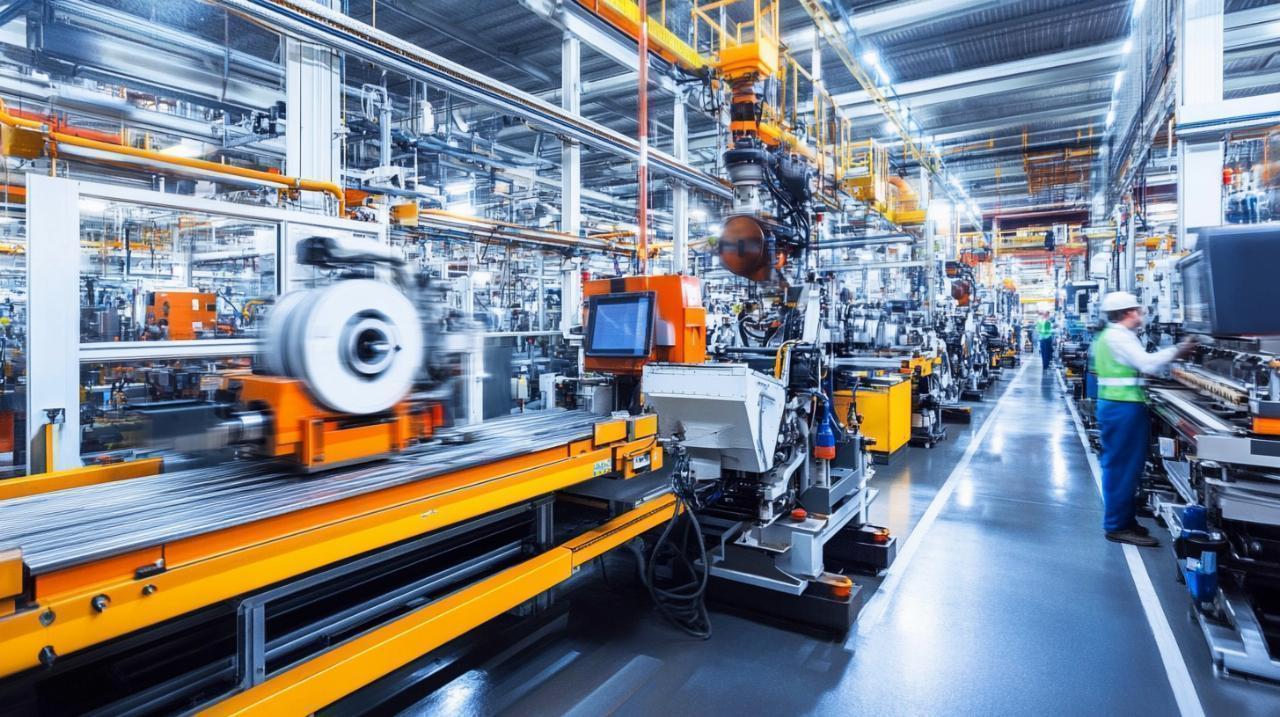
In today's fast-paced manufacturing environment, waiting until the end of a shift or a production run to assess performance is no longer sufficient. Implementing real-time tracking systems allows you to monitor production as it happens, providing immediate feedback on key metrics such as output rates, quality levels, and equipment status. This continuous assessment enables you to detect and address issues before they escalate into major problems. Real-time monitoring systems, often powered by digital technologies such as the Internet of Things and data analytics, provide a constant stream of information that can be analysed to identify trends, predict failures, and optimise processes. For example, sensors on machinery can alert operators to potential malfunctions before a breakdown occurs, allowing for preventative maintenance and reducing costly downtime. Similarly, tracking work-in-process inventory in real time helps ensure that production flows smoothly and that bottlenecks are addressed promptly. This approach aligns with the principle of Jidoka, or automation with a human touch, which emphasises the importance of stopping production immediately when a defect or deviation is detected. By combining technology with human expertise, you create a system that is both responsive and resilient. Real-time tracking also supports continuous improvement by providing the data needed to test hypotheses, measure the impact of changes, and refine processes over time. This feedback loop is essential for fostering a culture of learning and innovation, where every team member is engaged in the pursuit of excellence. As manufacturing becomes increasingly complex and customer expectations continue to rise, the ability to monitor and respond to production dynamics in real time becomes a critical competitive advantage.
Workforce development and equipment maintenance strategies
Building a skilled team through comprehensive training programmes
A production line is only as efficient as the people who operate it, making workforce development a cornerstone of operational excellence. Building a skilled team requires more than just teaching workers how to perform specific tasks; it involves cultivating a deep understanding of the entire production process and instilling a mindset of continuous improvement. Comprehensive training programmes should cover not only technical skills but also the principles of Lean Manufacturing, problem-solving techniques, and the importance of quality at every stage. When workers understand how their individual contributions fit into the larger picture, they are more motivated and better equipped to identify opportunities for improvement. Training should be an ongoing process, with regular refresher courses and opportunities for employees to develop new skills as technologies and processes evolve. The Toyota Way emphasises respect for people, recognising that engaged and empowered employees are essential to achieving production excellence. By investing in your workforce, you build a team that is adaptable, knowledgeable, and committed to the success of the organisation. Cross-training employees to perform multiple roles also enhances flexibility and resilience, allowing the production line to adapt quickly to changes in demand or unexpected absences. Furthermore, involving workers in problem-solving and decision-making processes fosters a sense of ownership and accountability, leading to higher levels of engagement and job satisfaction. A well-trained workforce is not only more productive but also more capable of maintaining high standards of quality and safety, which are critical to long-term success.
Establishing preventative maintenance schedules to avoid downtime
Equipment breakdowns are one of the most disruptive and costly events that can occur on a production line, often bringing operations to a standstill and leading to missed deadlines and frustrated customers. Establishing preventative maintenance schedules is a proactive strategy that helps avoid these disruptions by keeping machinery in optimal condition. Preventative maintenance involves regularly inspecting, servicing, and replacing components before they fail, rather than waiting for a breakdown to occur. This approach not only extends the lifespan of equipment but also reduces the likelihood of unexpected downtime. The principles of Total Productive Maintenance, which is closely related to the Toyota Production System, emphasise the importance of involving operators in routine maintenance tasks and empowering them to take responsibility for the condition of their equipment. When operators are trained to perform basic maintenance activities such as cleaning, lubrication, and visual inspections, they can detect early warning signs of potential problems and address them before they escalate. This hands-on involvement also fosters a deeper understanding of how equipment works and how to use it most effectively. Preventative maintenance schedules should be based on manufacturer recommendations, historical performance data, and the specific demands of your production environment. By tracking maintenance activities and analysing trends, you can refine your schedules over time to maximise efficiency and minimise costs. Additionally, integrating maintenance planning with production scheduling helps ensure that servicing is carried out during planned downtime or low-demand periods, minimising the impact on output. In an environment where every minute of production time counts, a robust preventative maintenance programme is not a luxury but a necessity, safeguarding both productivity and profitability.