
Modern educational workplaces are increasingly defined by the environments they create for their staff, students, and collaborators. The physical spaces, management structures, and cultural frameworks in which educational professionals operate have a profound influence on productivity, employee engagement, and overall satisfaction. Understanding the diverse types of work environments that shape these institutions is essential for leaders aiming to foster a thriving organisational culture. From traditional hierarchical models to flexible hybrid arrangements, each environment presents its own set of advantages and challenges, particularly in the context of evolving expectations around work-life balance and professional development.
Traditional hierarchical structures: the foundation of conventional educational settings
Many educational institutions continue to rely on traditional hierarchical structures, which are characterised by clear lines of authority, formal communication channels, and well-defined roles. This model, often referred to as a role culture, prioritises stability and order, with each individual operating within a specific remit. In such environments, leadership is centralised, and decisions flow from senior management down to teaching staff and support teams. The advantage of this structure lies in its predictability and the clarity it provides regarding responsibilities and accountability. Educational professionals working within this framework understand their position within the institution, which can foster a sense of security and reduce ambiguity.
However, the rigidity inherent in traditional hierarchical models can also present obstacles to innovation and agility. Employees may find themselves constrained by bureaucratic processes that slow down decision-making and limit their capacity to respond swiftly to new challenges. In a VUCA environment, where volatility, uncertainty, complexity, and ambiguity are increasingly common, the inflexibility of hierarchical structures can hinder an institution's ability to adapt. Furthermore, this type of organisational culture may inadvertently discourage knowledge sharing and cross-departmental collaboration, as individuals focus narrowly on their designated tasks rather than engaging with wider institutional goals.
Formal communication channels and established management protocols
Within traditional hierarchical settings, formal communication channels are paramount. Information typically travels through established pathways, such as departmental meetings, official memoranda, and scheduled reviews. While this ensures that messages are delivered in a structured manner, it can also lead to delays and a lack of spontaneity. The emphasis on protocol means that informal exchanges, which often spark creativity and innovation, are less likely to occur. Employees may feel discouraged from approaching senior leaders directly, which can create a disconnect between different levels of the institution. This dynamic can affect employee well-being, as staff may perceive a lack of psychological safety when it comes to voicing concerns or proposing new ideas.
Management protocols in hierarchical environments are designed to maintain order and consistency. Regular appraisals, standardised procedures, and clear reporting lines ensure that everyone knows what is expected of them. However, these protocols can also contribute to micromanagement if not balanced with trust and autonomy. When leaders fail to delegate effectively or insist on controlling every detail, employee satisfaction can suffer. The result is often a culture where individuals feel undervalued and disengaged, which in turn impacts retention rates and overall productivity. Constructive feedback is essential in such settings, but it must be delivered in a manner that empowers rather than stifles.
Private offices and departmental divisions: physical space influencing professional dynamics
The physical layout of traditional educational workplaces often mirrors the hierarchical structure. Private offices are common for senior staff, while teaching and administrative teams may occupy shared or semi-private spaces. Departmental divisions are reinforced by physical boundaries, which can limit interaction between different areas of the institution. While private offices offer a quiet space for focused work and confidential discussions, they can also isolate individuals and reduce opportunities for spontaneous collaboration. The presence of visible status symbols, such as corner offices or reserved parking spaces, can further emphasise power distance and create a sense of inequality among staff.
These physical divisions have a tangible impact on professional dynamics. When departments are separated by walls and corridors, the likelihood of cross-functional teamwork diminishes. Educational professionals may become entrenched in their own silos, missing out on the benefits of diverse perspectives and shared expertise. This can be particularly problematic in institutions where interdisciplinary approaches are essential for addressing complex challenges. Leaders aiming to improve organisational culture should consider how the physical environment either supports or hinders their goals. Simple changes, such as creating shared meeting spaces or encouraging open-door policies, can help to break down barriers and foster a greater sense of community.
Collaborative open-plan environments: fostering team integration and creative exchange
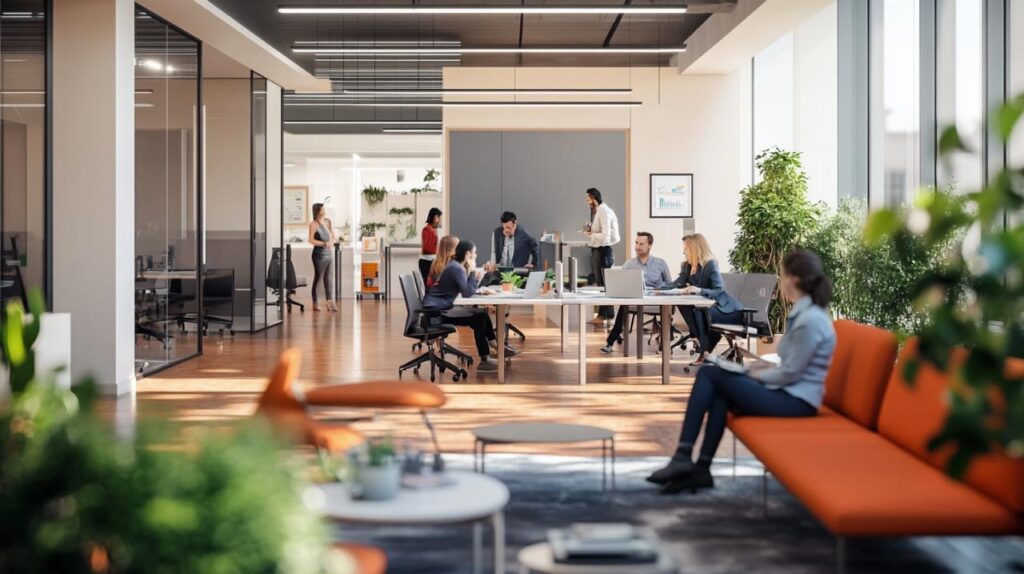
In contrast to traditional hierarchical settings, collaborative open-plan environments prioritise transparency, teamwork, and the free flow of ideas. These workplaces, often associated with a clan culture, are designed to encourage employee engagement and create a nurturing atmosphere where individuals feel valued and supported. Open-plan layouts remove physical barriers, allowing for easier communication and spontaneous interaction. In educational settings, this can translate into more effective collaboration between teaching staff, administrative teams, and student support services. The emphasis is on collective problem-solving and shared responsibility, rather than rigid adherence to individual roles.
One of the key benefits of collaborative environments is their ability to promote innovation. When employees work in close proximity, they are more likely to share insights, challenge assumptions, and build on one another's ideas. This can lead to creative solutions that might not emerge in more isolated settings. The digital workplace has further enhanced these dynamics, with technology enabling real-time collaboration and knowledge sharing across multiple platforms. Educational institutions that embrace this model often see improvements in team dynamics and a stronger sense of camaraderie among staff. The culture that emerges from such environments is typically more inclusive and adaptable, with a focus on collective success rather than individual achievement.
Shared Workspaces and Their Impact on Cross-Department Communication
Shared workspaces are a defining feature of collaborative open-plan environments. By removing the physical and symbolic barriers that separate departments, these spaces encourage cross-departmental communication and foster a more integrated approach to institutional challenges. Educational professionals from different backgrounds and specialisms can easily interact, exchanging ideas and perspectives that enrich the overall quality of work. This is particularly valuable in institutions where interdisciplinary projects are common, as it allows for more seamless coordination and a broader understanding of institutional goals.
However, the absence of private spaces can also present challenges. Not all tasks are suited to open-plan environments, and some individuals may struggle with the lack of quiet areas for focused work. The constant presence of others can be distracting, particularly for those who require concentration for tasks such as research, grading, or writing. Leaders must therefore strike a balance between promoting transparency and respecting the need for individual workspace. Providing designated quiet zones or allowing for flexible working arrangements can help to address these concerns while maintaining the overall collaborative ethos.
Balancing Transparency with the Need for Focused Individual Workspace
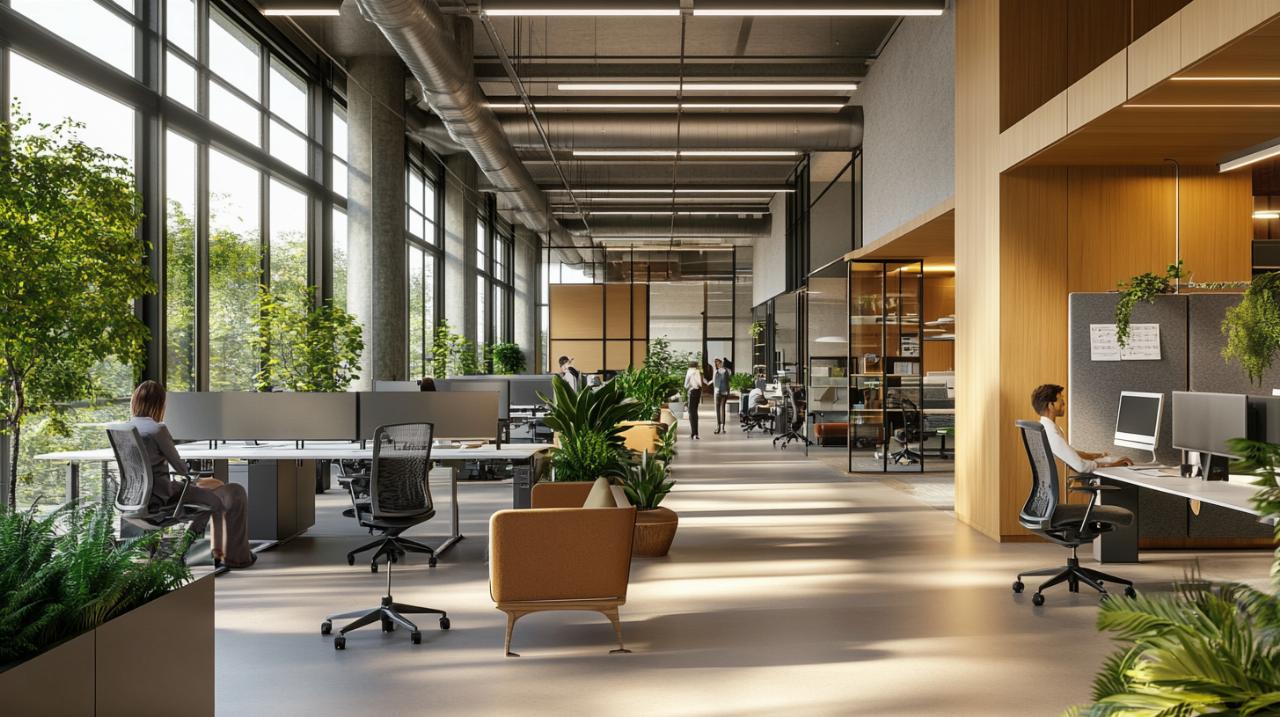
Achieving the right balance between transparency and focused individual workspace is crucial for the success of collaborative environments. While openness and accessibility are important for fostering trust and inclusion, they must not come at the expense of productivity and employee well-being. Educational professionals need space to think, plan, and complete tasks without constant interruption. Institutions that recognise this need are better positioned to create a culture that supports both collaboration and individual excellence. This might involve offering a mix of communal areas and private workstations, or implementing policies that allow staff to work remotely when necessary.
Recognition of difference and solidarity are essential components of a positive inclusion culture. In open-plan environments, it is important to acknowledge that individuals have varying preferences and working styles. Some thrive in bustling, interactive settings, while others perform best in quiet, solitary spaces. By accommodating these differences, institutions can create a more inclusive and supportive environment that respects the diverse needs of their staff. This approach also contributes to employee satisfaction and retention, as individuals feel that their unique contributions are valued and that their well-being is a priority.
Flexible hybrid models: adapting to contemporary educational workforce needs
The rise of flexible hybrid models represents a significant shift in how educational institutions approach workplace culture and organisational structure. These models combine elements of both on-site and remote working, allowing staff to choose where and how they work based on their individual needs and the requirements of their role. This flexibility is particularly appealing to younger generations, who increasingly seek work-life balance and the autonomy to manage their own schedules. Hybrid models can also enhance diversity, equity, and inclusion by making educational workplaces more accessible to individuals who may face barriers to traditional on-site employment, such as those with caring responsibilities or mobility issues.
Flexible hybrid environments require a different approach to leadership and management. Leaders must place trust in their teams and focus on outcomes rather than processes. This shift away from micromanagement and towards empowerment can have a transformative effect on organisational culture. When staff feel trusted and supported, they are more likely to demonstrate loyalty and commitment to the institution. However, the success of hybrid models depends on effective communication and the use of technology to maintain cohesion and alignment. Without these elements, there is a risk that remote workers may feel isolated or disconnected from the wider team, which can undermine the benefits of flexibility.
Remote and On-Site Integration Strategies for Educational Professionals
Integrating remote and on-site workers effectively is one of the main challenges of hybrid models. Educational institutions must develop strategies that ensure all staff, regardless of their location, feel equally valued and included. This might involve regular virtual meetings, the use of collaborative digital platforms, and deliberate efforts to create opportunities for informal interaction. Leaders play a crucial role in modelling positive behaviours and demonstrating their commitment to inclusivity. By actively engaging with both remote and on-site teams, they can help to bridge the gap and foster a sense of unity.
Professional development opportunities should also be accessible to all staff, regardless of their working arrangements. Institutions that fail to provide equal access to training and advancement may inadvertently create a two-tier system, where on-site workers are perceived as more committed or valuable. This can erode trust and damage morale, ultimately impacting productivity and retention. Clear communication of core values and expectations is essential for maintaining a cohesive culture in hybrid environments. Staff need to understand how their work contributes to the institution's goals and feel confident that their efforts are recognised and appreciated.
Technology-enabled collaboration and maintaining cultural cohesion across locations
Technology is the backbone of successful hybrid models, enabling collaboration and knowledge sharing across distances. Digital tools such as video conferencing, shared project management platforms, and instant messaging allow educational professionals to stay connected and work together seamlessly, regardless of their physical location. These technologies also support a more transparent and democratic approach to decision-making, as information can be disseminated quickly and widely. However, the reliance on technology also introduces new challenges, such as digital fatigue and the risk of miscommunication when non-verbal cues are absent.
Maintaining cultural cohesion across multiple locations requires intentional effort and strategic planning. Leaders must ensure that company values are not only articulated but actively lived and reinforced through daily behaviours. This might involve regular team-building activities, both virtual and in-person, as well as opportunities for staff to share their experiences and contribute to the ongoing evolution of the institutional culture. By prioritising employee well-being and creating a culture of psychological safety, institutions can ensure that all staff feel supported and empowered, regardless of where they work. The result is a more resilient and adaptive organisation, better equipped to navigate the complexities of the modern educational landscape.